 Canada
 United States
 United Kingdom
 Nigeria
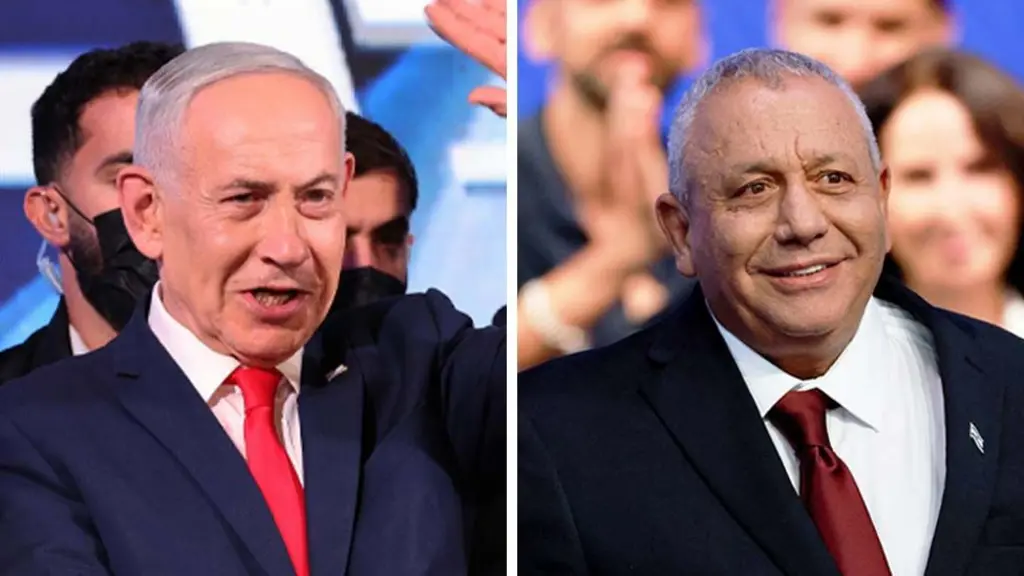
Israeli Prime Minister Benjamin Netanyahu's political bloc is narrowly leading the country's general election but remains short of the seats needed to form a majority government, according to partial results.
With 99 per cent of ballots counted, Netanyahu's Likud party and its far-right and ultra-Orthodox allies were projected to win 53 seats in the 120-member Knesset. Opposition leader Gadi Eisenkot's Yashar party and three other parties in his bloc were on course to secure 48 seats.
Arab Parties Could Influence Coalition Talks
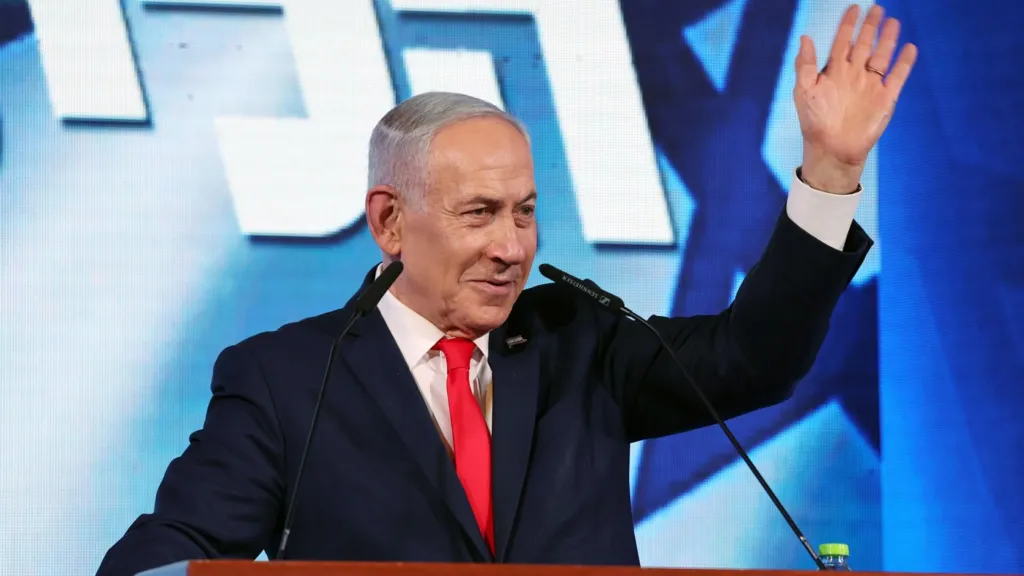
Arab-led parties are projected to win 19 seats, potentially giving them significant influence in negotiations to form the next government. However, most Jewish parties have ruled out working with them.
Both Netanyahu and Eisenkot have said they intend to form a governing coalition. The remaining absentee ballots, including those cast by soldiers, diplomats and hospital patients, could still change the final distribution of seats.
Once the results are confirmed, President Isaac Herzog will consult political factions before inviting the leader he believes has the best chance of forming a government. The process could take weeks, and failure to reach an agreement could lead to another election.
Election Reflects Deep Political Divisions
The election was the first since the Hamas-led attacks on Israel on 7 October 2023 and the subsequent wars involving Gaza, Lebanon and Iran.
Key campaign issues included accountability for the security failures surrounding the October 2023 attacks, military service requirements for ultra-Orthodox Jewish men, judicial reforms and Israel's international standing.
Netanyahu called for a strong right-wing national government, while Eisenkot argued that voters had expressed a desire for political change.
Arab Representation Rises as Allegations Emerge
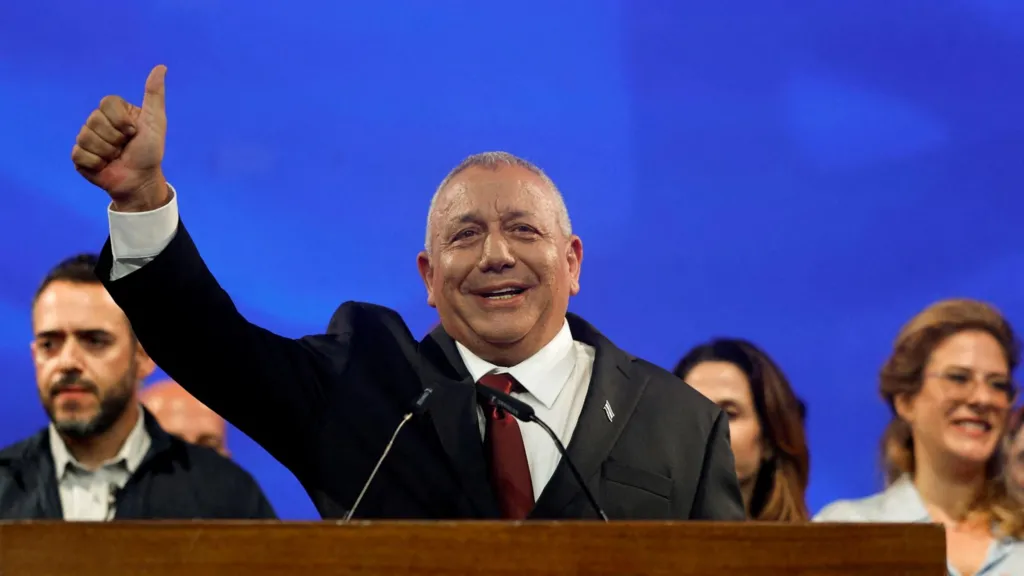
The two main Arab-led political groups, the United Arab List and the Joint List, are projected to nearly double their parliamentary representation amid increased turnout among Arab Israeli voters.
The result has raised the possibility of negotiations between Arab parties and parts of the opposition bloc, although disagreements over political conditions and potential alliances remain.
Meanwhile, Netanyahu's Likud party alleged that Arab parties engaged in electoral misconduct, including bribery, threats and fraud, but did not provide evidence in its complaint. Israel's Central Elections Committee said the allegations would be examined as part of its post-election review.
The committee's chairman also directed the Shin Bet domestic security service to investigate suspicions of improper foreign influence. Qatar denied interfering in the election or funding activities intended to influence its outcome.
BBC News