 Canada
 United States
 United Kingdom
 Nigeria
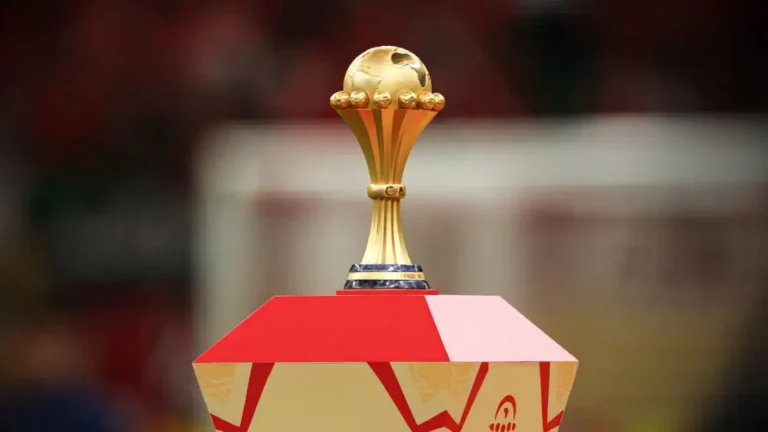
The Confederation of African Football (CAF) has reversed its earlier plan to stage the Africa Cup of Nations (AFCON) every four years, confirming that the tournament will continue on a two-year cycle.
The CAF Executive Committee unanimously approved the decision, which was announced by CAF President Patrice Motsepe following the organisation’s Strategy Conference in Cabo Verde from October 7 to 9, 2026.
Why CAF Reversed Its Decision
CAF’s earlier proposal involved moving AFCON to a four-year schedule and introducing a new Africa Nations League to take place every two years.
However, the organisation reconsidered the plan after concerns that the proposed competition could take several years to generate the financial resources and football development benefits needed to support African football.
Motsepe said the decision was guided by the need to protect the interests of African football, CAF’s 54 member associations and African players contracted to clubs outside the continent.
He added that retaining the biennial AFCON format would better support the growth of the game and help make CAF competitions more competitive and financially sustainable.
New AFCON Schedule
Under the revised calendar, the next AFCON will take place in 2027, with Kenya, Tanzania and Uganda jointly hosting the tournament.
Subsequent editions are scheduled for 2028, 2031 and 2033. CAF also stated that the tournament will not be held in the same year as the FIFA World Cup, in line with the scheduling considerations surrounding the global competition.
Motsepe expressed confidence in the three East African countries’ ability to deliver a successful 2027 tournament, describing it as an opportunity to showcase Africa’s football talent.
AFCON’s Importance Beyond Football
The CAF president also highlighted the tournament’s cultural significance, saying it brings together people from Africa’s 54 countries, the African diaspora and communities across the world.
He maintained that restoring the two-year cycle would strengthen the continent’s football structures, support member associations and contribute to the continued development of the sport.
The decision marks a major change in CAF’s competition calendar plans, reaffirming AFCON’s position as African football’s flagship national team tournament.
Punch Newspapers