 Canada
 United States
 United Kingdom
 Nigeria
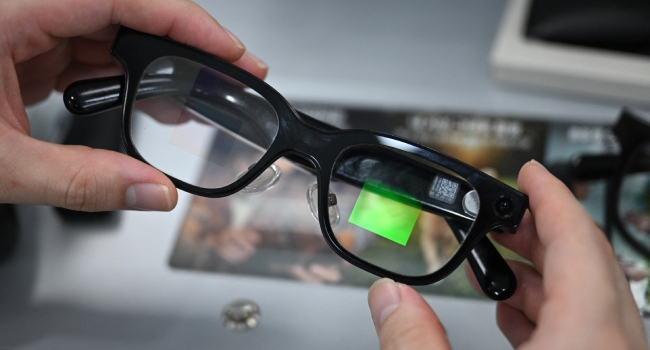
South Korea plans to introduce criminal charges and tougher penalties for students caught using artificial intelligence-powered smart glasses to cheat in examinations.
An education ministry official, Lee Joon-hyuk, disclosed the proposed measures to AFP on Friday, saying the government would seek criminal charges against students caught cheating with the devices.
Three-Year Ban Proposed for Exam Offenders
Under the proposed changes, students caught using smart glasses to cheat will be barred from retaking their examinations for three years, compared with the current one-year penalty.
However, the new rules are not expected to apply to next month's university entrance examinations because there is insufficient time to amend the law before the tests.
Lee said the government intends to push for the changes to take effect from next year's examination.
Smart Glasses Raise Examination Security Concerns
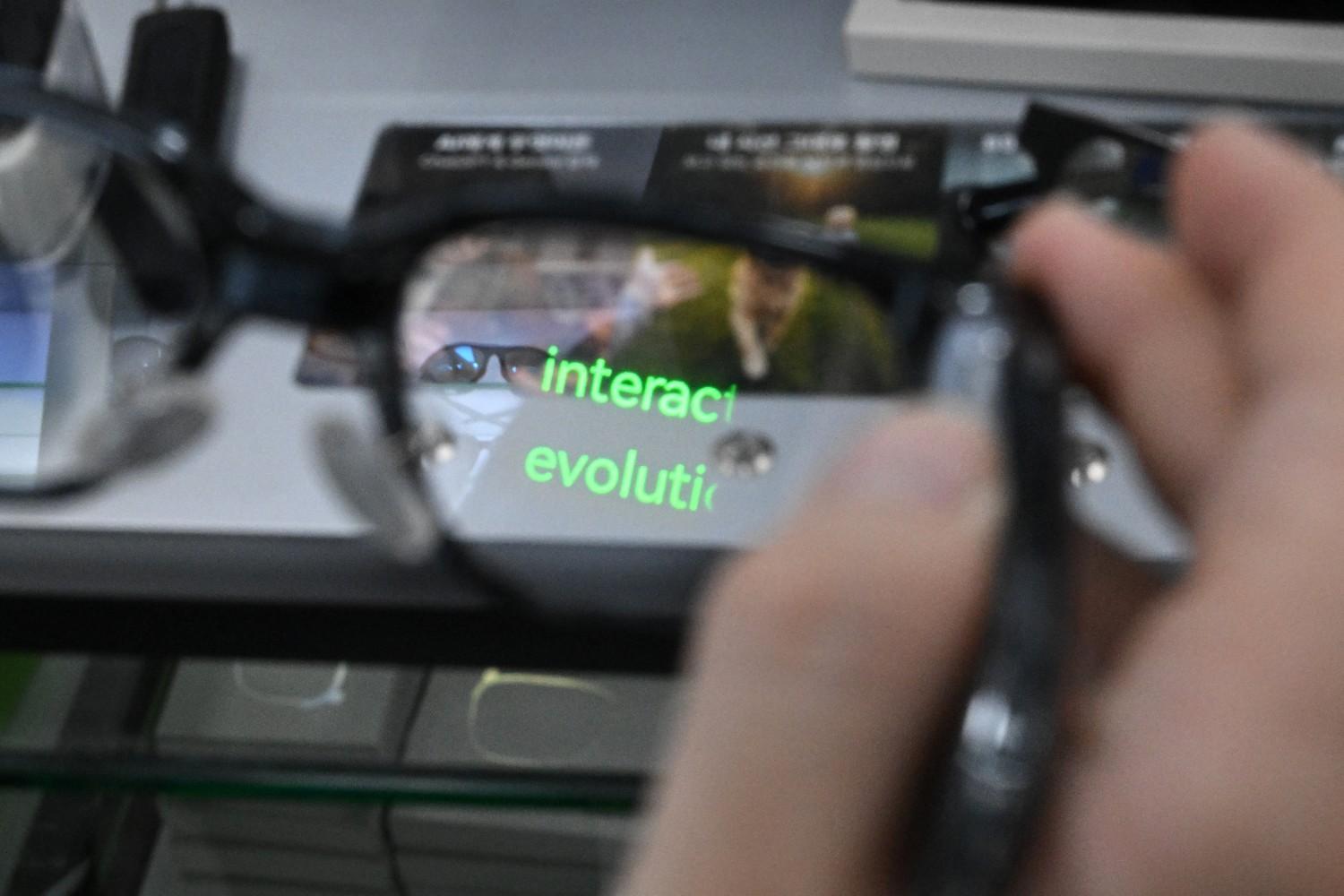
The proposed measures follow incidents involving three students who were caught wearing or possessing smart glasses during university-administered essay examinations in Seoul.
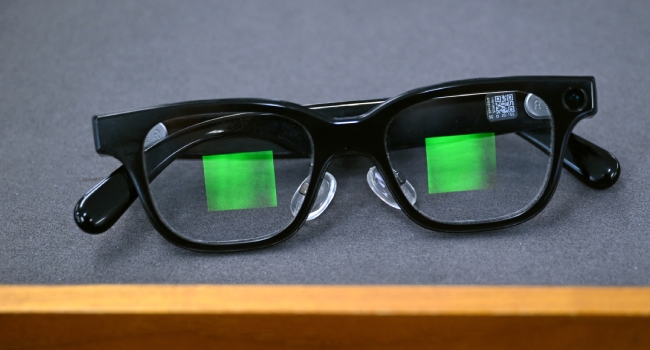
Smart glasses can capture photographs and videos and provide access to artificial intelligence assistants, raising concerns about their potential use to obtain unauthorised assistance during examinations.
A similar incident was reportedly recorded at National Taiwan University in Taipei, where an examination candidate was disqualified this summer for allegedly using AI-powered smart glasses to cheat.
South Korea's education ministry has also announced preventive measures, including assigning designated staff members at examination centres to identify suspicious eyewear.
Strict Measures for South Korea's University Entrance Exam
South Korea's national university entrance examination, known as the Suneung, is a major event that can influence students' admission to top universities and future opportunities.
The examination is accompanied by special nationwide arrangements. During the English listening test, flights are suspended for 35 minutes, except in emergencies, while banks and public offices adjust their opening times to reduce traffic and help students arrive at examination centres.
The proposed penalties reflect growing concerns among education authorities about the use of emerging technology to undermine examination integrity.
AFP