 Canada
 United States
 United Kingdom
 Nigeria
Waymo Suspends Driverless Highway Taxi Rides Across US Markets After Safety Concerns
The company pauses commercial freeway services following incidents involving construction zones and highway patrol vehicles
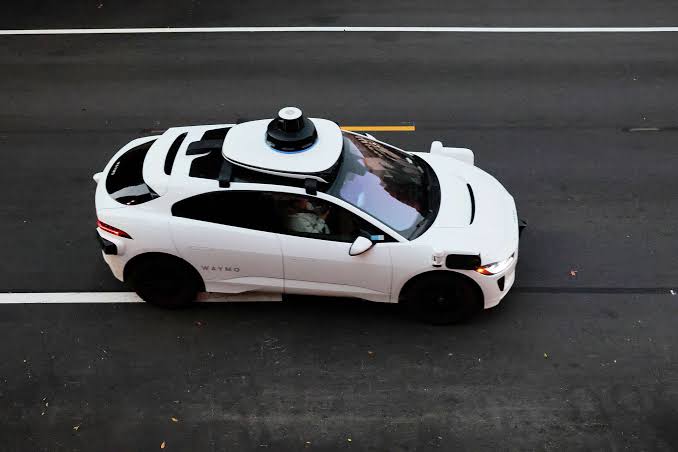
Waymo has temporarily suspended commercial driverless taxi rides on freeways across its United States markets following safety incidents involving its autonomous vehicles in California.
The decision came after the California Department of Motor Vehicles (DMV) restricted the company's robotaxis from operating on state freeways following reports of vehicles entering active construction zones and encountering California Highway Patrol vehicles.
Before the suspension, passengers could request freeway journeys using Waymo's driverless taxis in the San Francisco Bay Area, Los Angeles, Miami, Phoenix, Arizona, and Austin, Texas.
A company spokesperson confirmed that commercial freeway rides had been temporarily restricted in every market where the service was available. However, Waymo said it would continue conducting freeway tests with trained autonomous specialists behind the wheel.
The company said the suspension took effect the previous Wednesday but did not provide a timeline for when commercial freeway services would resume.
Incidents Trigger California Restrictions
According to Jonathan Groveman, a spokesperson for California's DMV, the restrictions followed two incidents involving Waymo vehicles on state highways.
The first occurred on November 5, when three driverless Waymo vehicles entered an active construction zone. The second happened the following day on a San Francisco highway, where a robotaxi encountered California Highway Patrol vehicles conducting a traffic break.
Footage of the November 6 incident circulated widely on social media, showing a Waymo vehicle attempting to manoeuvre around police vehicles that were controlling traffic.
Groveman said the department considered the company's freeway operations a potential threat to public safety because of repeated incidents involving vehicles entering active construction areas where workers, equipment and other vehicles were present.
"The Department determined that Waymo’s driverless freeway operations pose an imminent hazard to public safety due to recurring incursions by its vehicles into active construction zones where construction workers, vehicles and equipment are present," Groveman said.
He also noted that similar incidents had previously been recorded on May 18.
Waymo Says No Injuries Were Reported
Despite the concerns raised by California authorities, Waymo said its recent encounters with construction zones along US Highway 101 did not result in injuries or collisions.
The company has not announced when it expects to restore commercial freeway rides. California's restrictions also prevent it from testing driverless vehicles on state freeways.
According to the DMV, the restrictions will remain in place until Waymo demonstrates that it has taken effective corrective action to address the problems that led to the decision.
Waymo Continues Expansion Plans
Waymo, a California-based autonomous driving company owned by Alphabet, Google's parent company, continues to provide driverless rides on ordinary city streets in several US locations, including Las Vegas, Dallas and Denver.
The company has also been preparing to expand into cities with harsher winter conditions and is pursuing international growth opportunities, including plans to introduce its robotaxi service in Toronto.
However, the launch of fully autonomous commercial passenger services in new locations will depend on approval from the relevant regulatory authorities.
Waymo's operations also involve an international network of suppliers and manufacturing partners. These include Canada's Magna International, based in Vaughan, Ontario, which is part of the company's vehicle production supply chain.
The temporary suspension highlights the regulatory and safety challenges facing companies seeking to expand driverless transportation services, particularly as autonomous vehicles encounter complex road conditions and unexpected traffic situations.
Source: The Associated Press, via CBC News