 Canada
 United States
 United Kingdom
 Nigeria
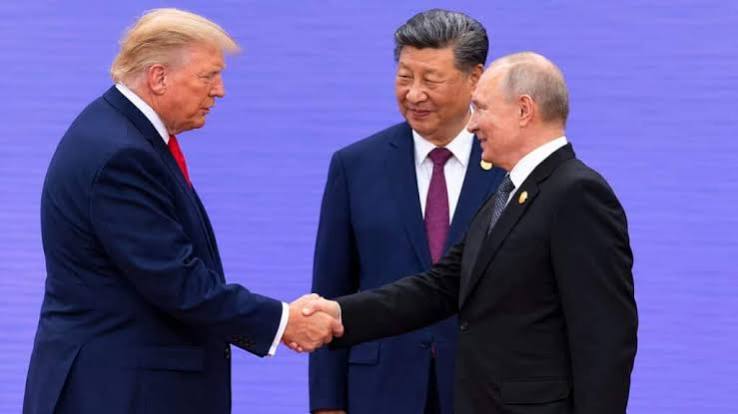
Xi, Trump and Putin Warn International Bodies Against Exceeding Their Authority After Historic Summit
Three leaders call for UN reforms, nuclear risk reduction and increased energy production after meeting in China
The leaders of China, the United States and Russia have issued a joint statement calling for reforms in international institutions and warning the International Criminal Court (ICC) and similar organisations against exceeding their jurisdiction.
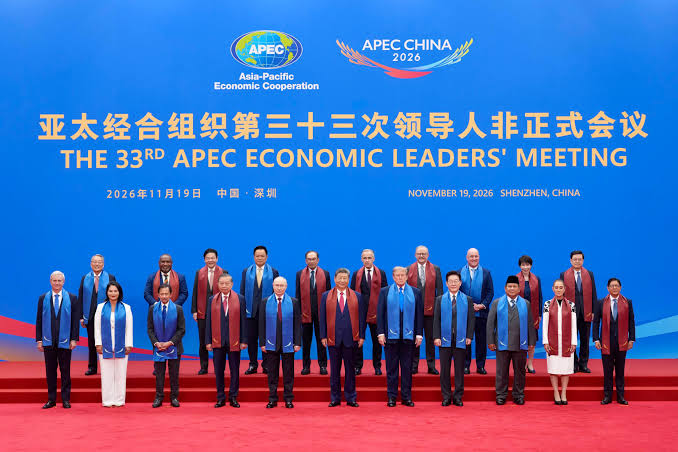
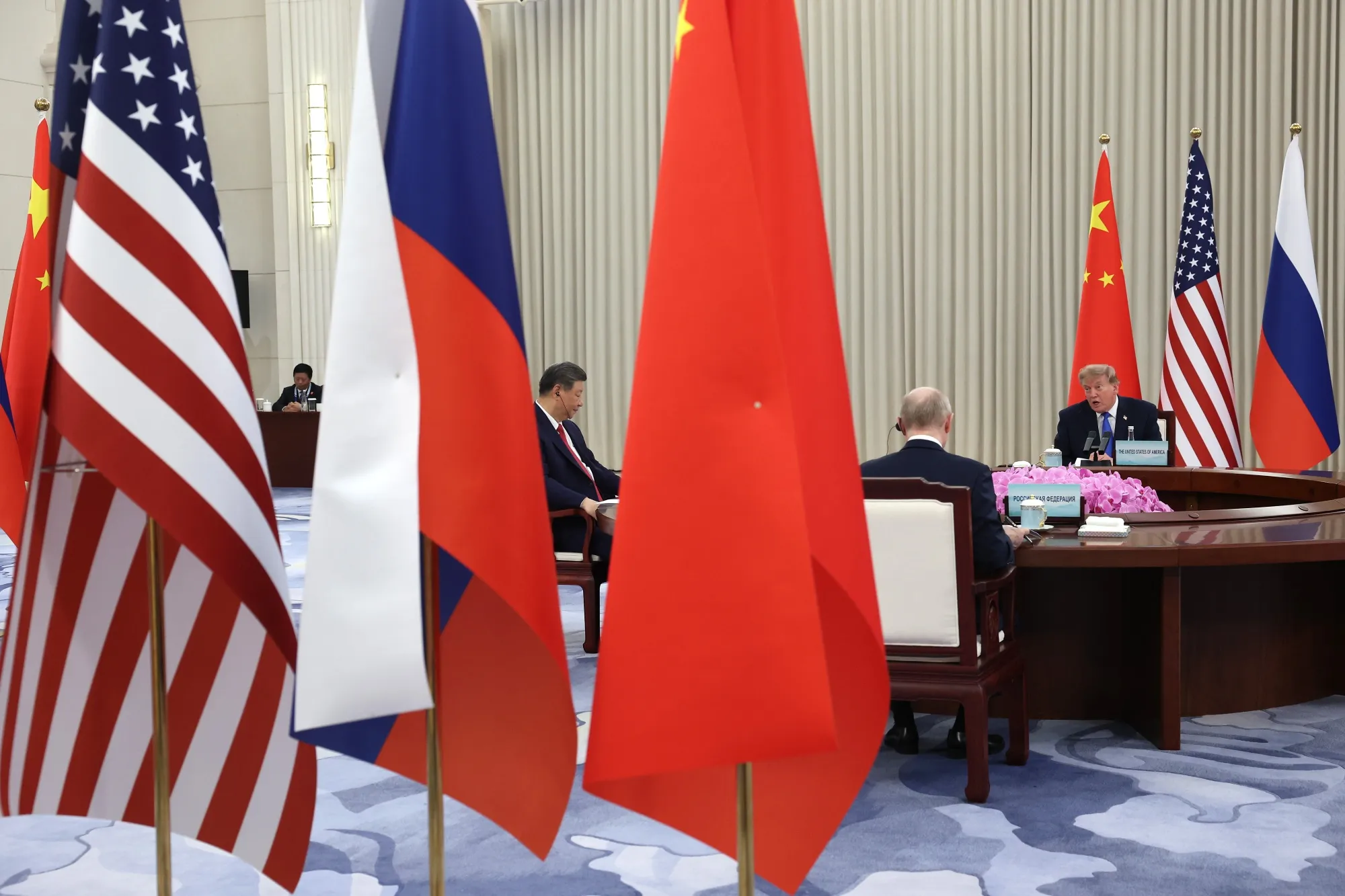
The statement followed an unprecedented trilateral meeting between US President Donald Trump, Chinese President Xi Jinping and Russian President Vladimir Putin on Thursday in Shenzhen, China, on the sidelines of the Asia-Pacific Economic Cooperation (APEC) summit.
The discussions lasted more than an hour, with the three leaders describing the meeting as a historic opportunity for engagement among the world's major nuclear powers.
Trump, who later departed China for Washington, said at the beginning of the meeting that the leaders had significant issues to discuss, adding that their gathering was an opportunity to make history.
Leaders Call for United Nations Reforms
In their joint statement, the three countries expressed support for reforming the United Nations to make it more effective in addressing global challenges and fulfilling its responsibility for maintaining international peace and security.
They also criticised what they described as the misuse of authority by international judicial institutions, stating that the ICC and other similar bodies must not abuse their jurisdiction.
The statement further emphasised the importance of state consent and respect for the legal immunities of government officials.
The position is particularly significant for Putin, who is subject to an international arrest warrant issued by the ICC over alleged war crimes linked to Russia's invasion of Ukraine.
The Trump administration has also taken a confrontational position towards the court, imposing sanctions against it. US Secretary of State Marco Rubio has previously said Washington wanted to dismantle the institution.
Jonathan Eyal, international director at the Royal United Services Institute in London, described the criticism of international institutions as one of the most significant outcomes of the summit.
“The big powers dictate, the small powers suffer,” Eyal said.
He also argued that Putin benefited from the meeting by gaining international visibility and an opportunity to move beyond his isolation, while Trump gained a high-profile diplomatic appearance.
Nuclear Risk and Proliferation
The joint statement reaffirmed the leaders' position that nuclear war cannot be won and must never be fought. They also pledged to maintain dialogue on reducing nuclear risks and preventing the spread of nuclear weapons.
The commitment comes amid growing international concerns over nuclear security and the breakdown of arms-control arrangements between major powers.
The leaders' statement also comes as the United Nations prepares for another round of voting to select a successor to Secretary-General António Guterres, whose tenure is due to end on December 31. The Security Council's five permanent members have yet to reach agreement after eight rounds of voting.
Energy Supply and Regional Conflicts
Beyond international institutions and nuclear security, the three countries also emphasised the importance of maintaining stable energy supplies.
They said they planned to increase the production and supply of refined petroleum products for the benefit of countries around the world.
The energy commitment comes amid disruption to commercial shipping through the Strait of Hormuz following the US-Israeli war against Iran, which has contributed to higher global oil prices.
Trump said he and Xi shared the view that oil shipments through the strategic waterway must continue. Xi, however, did not publicly address either the Ukraine war or the conflict involving Iran during his remarks at the two-day summit.
Putin said the three countries had several common interests in resolving regional conflicts, specifically mentioning the war in Ukraine, which began with Russia's full-scale invasion in February 2022.
Trade and Technology Tensions Remain
The summit also took place against the backdrop of disagreements over trade, sanctions and access to advanced technology.
Before Trump's arrival, Xi and Putin had criticised Western trade protectionism and sanctions. During the APEC discussions, Xi called for free and open trade, while Western governments have continued to raise concerns about China's industrial policies and their impact on global trade competition.
Trump's discussions with Xi followed an extension of the trade truce between Washington and Beijing earlier in the month. However, questions remain over reports that Nvidia chips were being diverted to China through Southeast Asian countries, potentially undermining US export restrictions.
Trump also told NBC News that artificial intelligence was discussed during his meeting with Xi. He said the two leaders agreed that having some safeguards for the technology would be beneficial, although they did not settle on specific definitions or requirements.
The meeting brought together three influential world leaders at a time of heightened geopolitical, economic and security tensions, with their joint statement outlining areas of cooperation as well as positions that could generate further debate among other countries and international institutions.
Source: Thomson Reuters