 Canada
 United States
 United Kingdom
 Nigeria
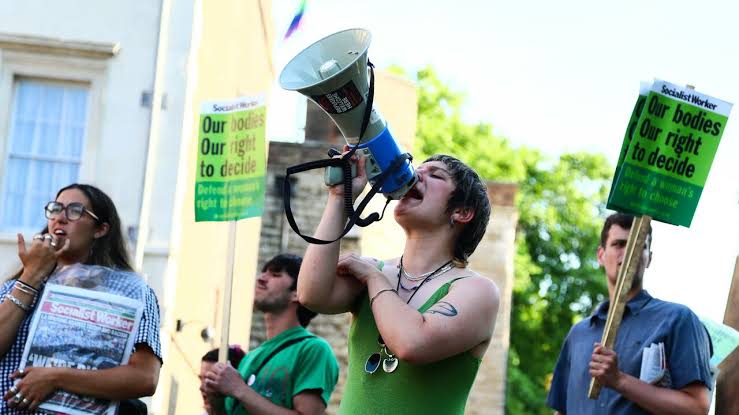
UK Grants Automatic Pardons to Women Convicted Under Historical Abortion Laws
Government also moves to clear records of women investigated over abortion offences relating to their own pregnancies
The United Kingdom government has approved automatic pardons for women convicted of illegal abortion-related offences over the past 165 years, alongside plans to clear the records of women investigated for offences connected to their own pregnancies.
The measure covers women who were investigated regardless of whether they were arrested or formally charged. Those affected will not be required to apply, as the government says the pardons and record clearances will happen automatically.
Labour Member of Parliament Tonia Antoniazzi, who campaigned for the decriminalisation of abortion, said the decision was intended to address the consequences of laws that led to women being arrested and prosecuted after pregnancy-related medical emergencies.
Antoniazzi said the records would help women move forward, although she acknowledged that the experiences they endured could not simply be undone.
How the Legal Changes Came About
The UK's Abortion Act of 1967 established the legal framework for abortion in England and Wales, permitting the procedure up to 24 weeks under specified conditions, including approval from two doctors.
However, a Victorian-era law remained in force, allowing women to face prosecution for obtaining abortions outside the conditions permitted by the 1967 legislation. The historical law carries a maximum penalty of life imprisonment.
In April 2025, Parliament voted to amend the Crime and Policing Bill to prevent women from being prosecuted for abortion offences relating to their own pregnancies. The amendments received Royal Assent in April 2026 and came into effect on Monday.
The change attracted opposition from anti-abortion organisations, which argued that it could allow abortions without restrictions at any stage of pregnancy. Supporters, however, pointed to an increase in investigations involving women suspected of abortion-related offences as a reason for changing the law.
Nicola Packer's Case Highlights the Impact
One of the cases that drew national attention involved Nicola Packer, who was charged after taking legally prescribed abortion medication at home during the COVID-19 lockdown in 2020.
Packer maintained that she did not know she had passed the 24-week legal limit. She was later found to have been 26 weeks pregnant, and the medication resulted in a stillbirth. After undergoing emergency surgery, she reportedly woke up in hospital to find two police officers waiting in her recovery room.
Her case eventually went to trial five years later, where a jury cleared her of the charge.
Helle Tumbridge, Packer's friend and spokesperson, described the pardon announcement as a bittersweet moment. Although Packer welcomed the decision, Tumbridge said the legal process had caused lasting distress and disrupted her life for years.
Tumbridge said Packer continues to live with the effects of the experience and has authorised her to speak publicly on her behalf so she does not have to repeatedly revisit the ordeal.
Tumbridge also said Packer had experienced a cryptic pregnancy, a condition in which a woman does not recognise that she is pregnant. According to her account, Packer believed she was only a few weeks pregnant when she obtained the medication through a telephone consultation.
Medical Organisations Welcome the Pardons
The Royal College of Obstetricians and Gynaecologists welcomed the government's decision in a joint statement with several reproductive rights organisations.
Its president, Dr Alison Wright, described the pardons as an important step towards recognising the injustice of historical convictions and preventing women from continuing to face the consequences of criminal records linked to abortion.
The British Pregnancy Advisory Service, a UK charity and abortion provider, also supported the move. Its chief executive, Heidi Stewart, said outdated abortion laws had subjected women to serious consequences.
However, the Society for the Protection of Unborn Children, an anti-abortion organisation that opposed decriminalisation, criticised the decision. Its spokesperson, Alithea Williams, described the pardons as an attempt to impose what the organisation considers a harmful ideology on the country's historical approach to protecting unborn life.
Number of Women Affected Remains Unclear
The government has not disclosed how many women will benefit from the pardons and the removal of investigation records.
Antoniazzi estimates that more than 100 women were investigated for abortion-related offences in the five years before Parliament voted to decriminalise the practice in 2025.
Reports cited by The Guardian indicate that some investigations involved women and at least one teenager whose pregnancies were later found to have ended through natural stillbirths or miscarriages.
Although the government says the process will be automatic, Tumbridge said Packer is seeking formal apologies from the government, the police and the Crown Prosecution Service over the way her case was handled.
She also highlighted that some women had served prison sentences under the former legal framework, arguing that such cases should never have proceeded to trial.
Source: CBC News