 Canada
 United States
 United Kingdom
 Nigeria
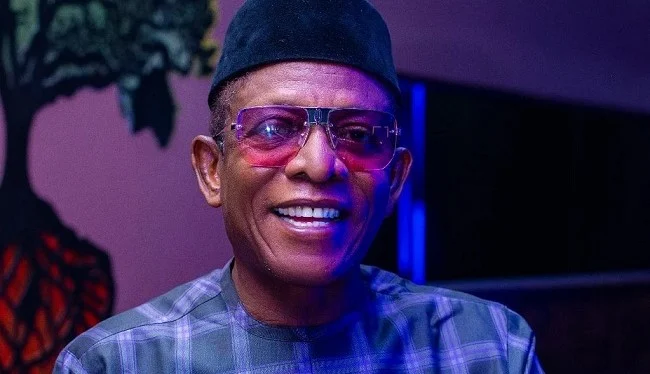
Veteran Nollywood actor Nkem Owoh, popularly known as Osuofia, has clarified his position on the origins of Nigeria's home-video industry, insisting that Yoruba filmmakers pioneered home video, not Nollywood.
Owoh made the clarification during an appearance on Curiosity Made Me Ask, a programme hosted by comedian and content creator Adebayo Abidemi, popularly known as Bae U. The interview was published on the host's YouTube channel on Saturday.
Osuofia Distinguishes Home Video from Nollywood
During the interview, the actor responded to questions about his earlier comments on the contributions of Yoruba and Igbo filmmakers to the Nigerian movie industry.
He explained that the name Nollywood was not in use when filmmakers began developing the industry. According to him, the name was adopted later following discussions among stakeholders.
Owoh rejected the suggestion that he had claimed Yoruba people started Nollywood, stressing that his position was that they pioneered and popularised home-video productions.
He said Yoruba filmmakers had already established a strong filmmaking and theatrical tradition before the commercial home-video boom of the 1990s.
Owoh Credits Hubert Ogunde and Other Pioneers
The actor specifically mentioned veteran filmmaker Hubert Ogunde and Adebayo as important figures whose productions helped popularise home video in Nigeria.
He also dismissed a suggestion during the interview that Ogunde was Igbo, insisting that the late filmmaker was Yoruba and had gained prominence long before the emergence of the Igbo-led home-video boom.
Owoh's clarification comes amid renewed discussions about the contributions of different ethnic groups to the development of Nigerian cinema.
The History Behind Nollywood's Growth
Yoruba travelling theatre practitioners, including Hubert Ogunde and Duro Ladipo, played significant roles in moving Nigerian storytelling from the stage to film and video productions decades before the 1990s.
However, the commercial expansion of Nigeria's direct-to-video market is widely associated with the 1992 Igbo-language film Living in Bondage, produced by Kenneth Nnebue. The film helped popularise the home-video format that later became a defining feature of Nollywood.
The name Nollywood was adopted years after the industry had begun taking shape, adding another dimension to ongoing debates about its origins and the contributions of its early pioneers.
Owoh's comments have therefore drawn attention to the distinction between the earlier Yoruba home-video tradition and the commercial movement that helped establish modern Nollywood.