 Canada
 United States
 United Kingdom
 Nigeria
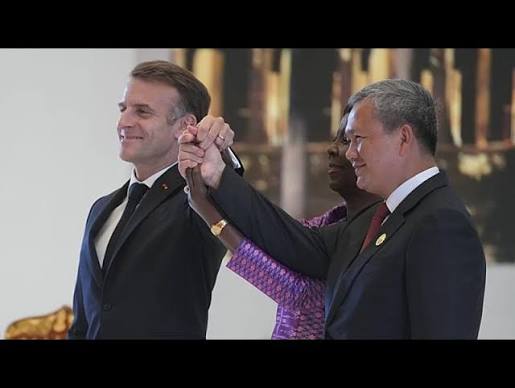
DR Congo-Rwanda Dispute Delays Francophonie Leadership Election Until 2027
Diplomatic tensions over Rwanda's Louise Mushikiwabo's bid for a third term prevent member states from reaching a consensus
A diplomatic dispute between the Democratic Republic of Congo and Rwanda has forced the International Organisation of La Francophonie (OIF) to postpone the election of its next secretary-general until the end of 2027.
The leadership election was scheduled to take place during the organisation's summit in Phnom Penh, Cambodia. However, disagreements over the candidacy of Rwanda's incumbent secretary-general, Louise Mushikiwabo, disrupted the process.
DR Congo had threatened to withdraw from the organisation if Mushikiwabo, who is seeking a third term, was re-elected. The dispute prevented member states from reaching the consensus needed to proceed with the vote.
Mushikiwabo Maintains Third-Term Bid
Reacting to the postponement, Mushikiwabo acknowledged the pressure surrounding her candidacy but said she remained committed to continuing her work at the organisation.
She explained that member states had agreed to defer the election because there was no consensus on the leadership contest.
Mushikiwabo also confirmed that she intends to remain in the race when the election is eventually held at the end of 2027, citing her desire to continue serving the organisation and advancing its reforms.
DR Congo-Rwanda Tensions Deepen
The disagreement reflects broader tensions between the two neighbouring countries over the conflict in eastern DR Congo.
Kinshasa has repeatedly accused Rwanda of supporting the M23 armed group, which has captured significant territory in eastern DR Congo. Kigali has denied the allegations.
DR Congo's threat to leave the OIF has raised concerns about the potential consequences for the organisation, given the country's importance within the French-speaking world.
DR Congo is home to millions of French speakers and is the organisation's second-largest Francophone country after France. Its withdrawal would therefore represent a major setback for the group.
With the leadership vote now pushed to the end of 2027, the diplomatic divisions surrounding the contest remain unresolved, while Mushikiwabo has made clear that she intends to continue her bid for another term.