 Canada
 United States
 United Kingdom
 Nigeria
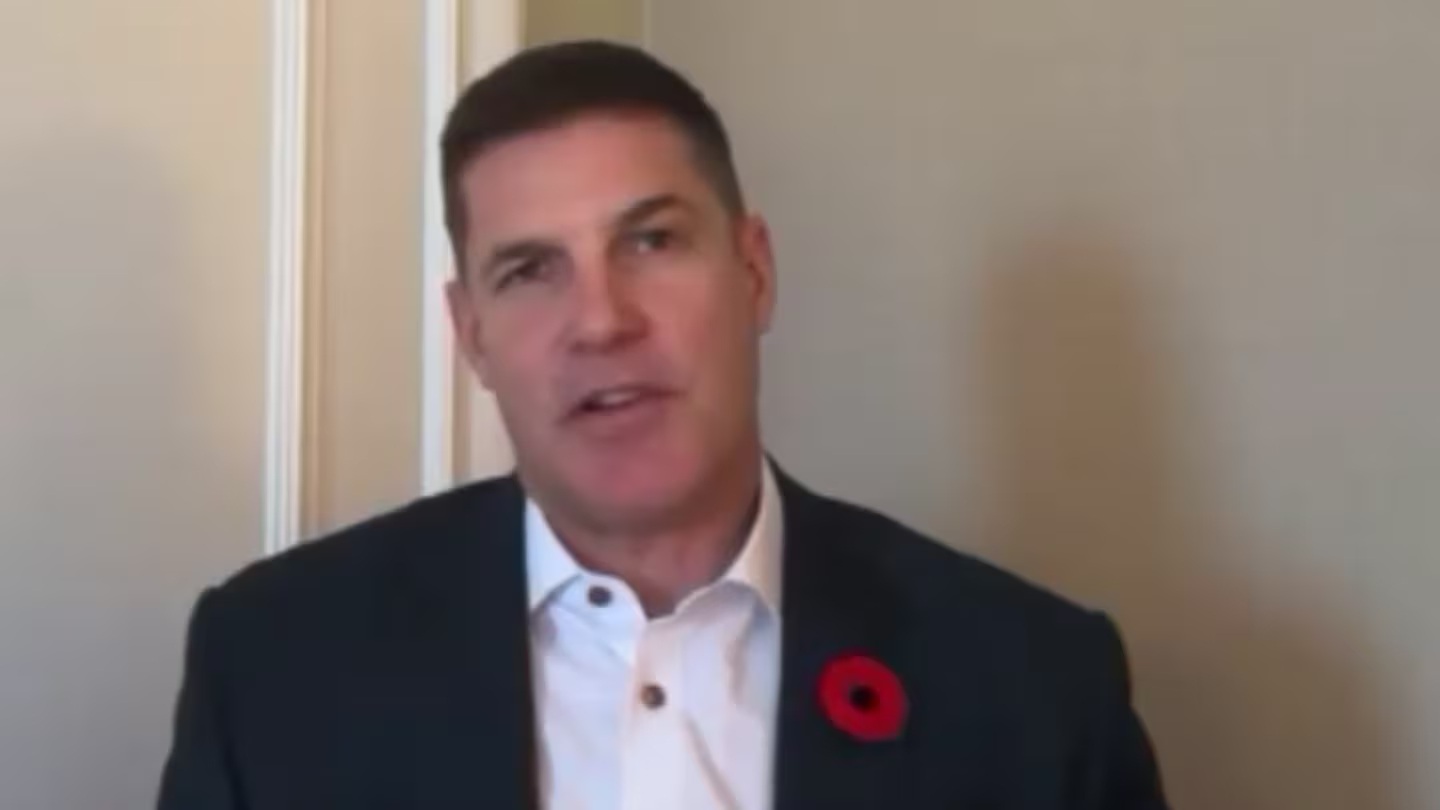
Canadian astronaut Jeremy Hansen has joined a Toronto-based company's ambitious project to develop moon-themed smart cities featuring luxury resorts and large-scale simulations of the lunar surface.
Hansen, who recently returned from the Artemis II mission around the moon, will serve as a consultant to Moon World Resorts Inc., helping the company develop an immersive lunar experience for visitors.
He said the opportunity to share a simulated version of the moon with the public could give people a deeper appreciation of space exploration.
Inside the 500-Acre Moon-Themed Development
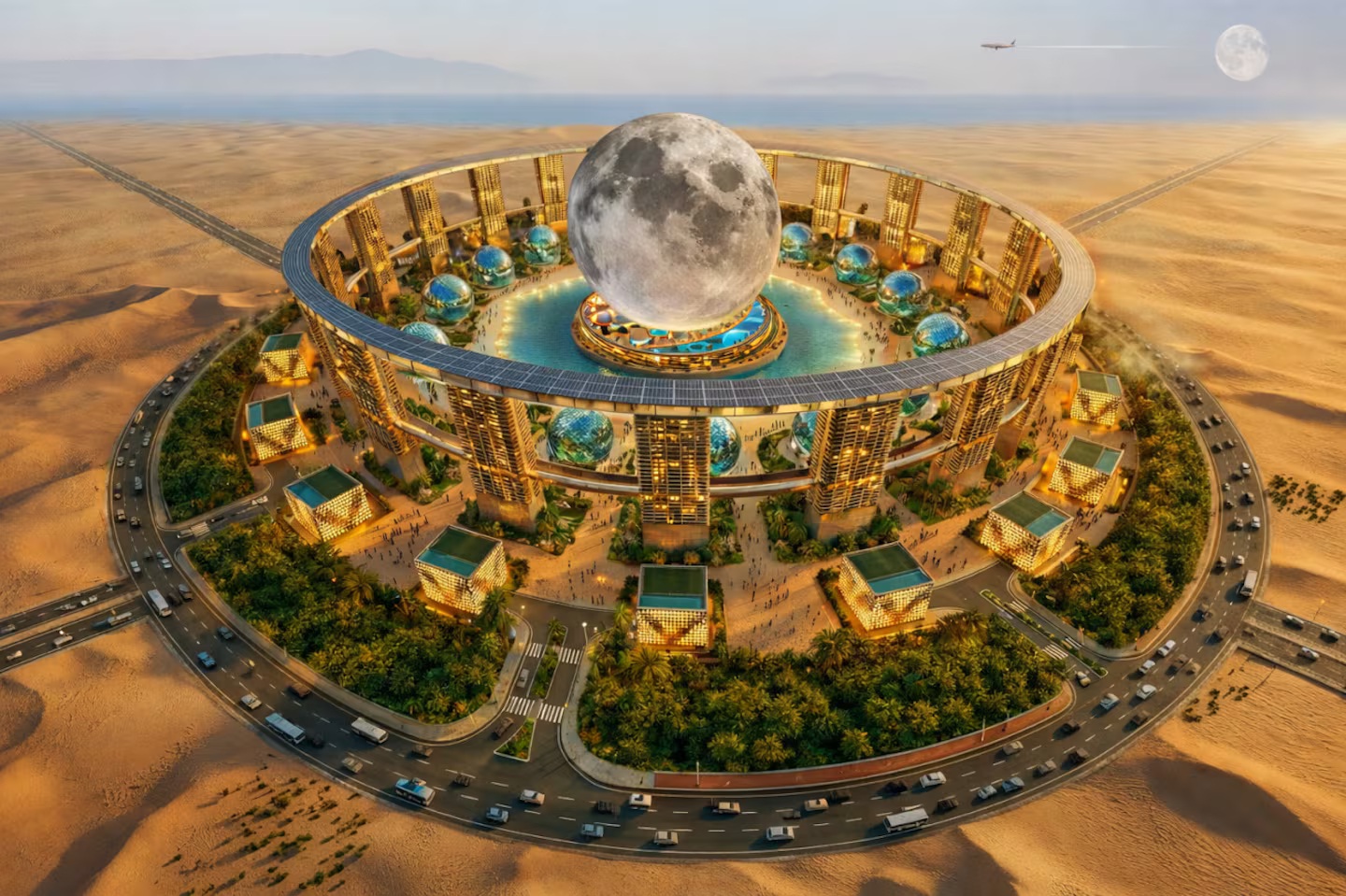
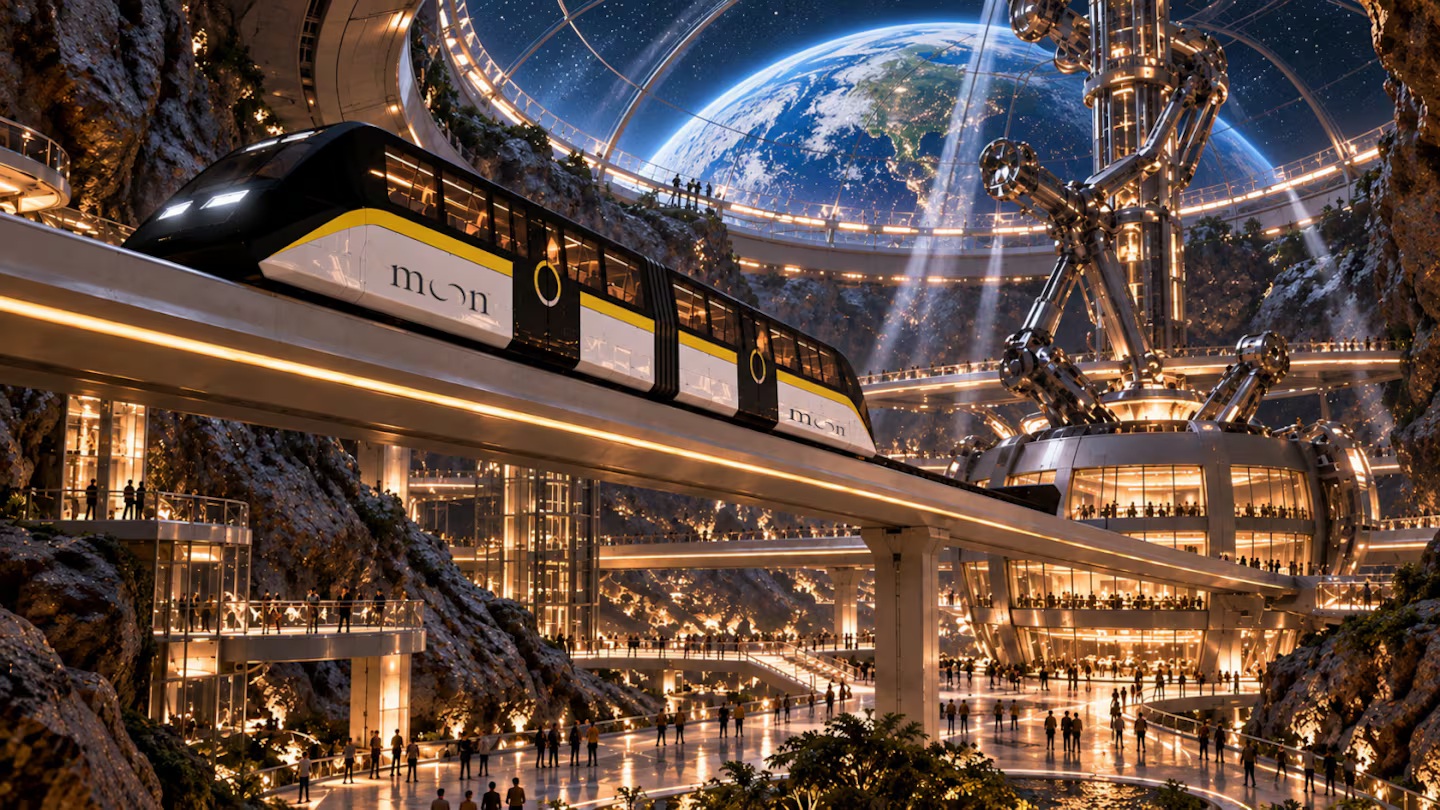
The proposed MOON Smart City is planned as a 500-acre development featuring a luxury resort, a 13-acre simulated lunar surface, residences, office spaces, wellness facilities, a lagoon, parks and a monorail system.
Its main attraction would be a giant replica of the moon, designed to give visitors an experience resembling walking on the lunar surface.
According to co-founder Sandra Matthews, the company wants to create an experience large enough to reflect the scale and wonder of the moon.
A 90-minute walk across the simulated lunar surface in a spacesuit is expected to cost approximately US$500. Accommodation would be priced in line with other five-star resorts.
The company is currently conducting pre-development work to determine costs and other requirements. It hopes to license the concept to developers who could establish facilities on every continent, with a showcase planned in Madrid next spring for prospective partners.
Hansen to Help Develop Lunar Experience
Hansen said his experience travelling around the moon made him wish he could explore its surface. Although he is uncertain whether he will ever have that opportunity, he believes the proposed simulation could offer the public a meaningful alternative.
He will help the company explore how the lunar experience can be developed, including simulations of what it might be like to explore a future moon base.
Hansen hopes visitors will be able to look back at a simulated Earth from the lunar surface and experience some of the wonder associated with space exploration.
He also said the project could draw on ideas and technologies being developed for actual lunar missions, helping visitors understand how future moon bases may operate.
Hansen Calls for Greater Canadian Investment in Space
Beyond his consulting role, Hansen continues to advise the Canadian federal government on the country's space programme.
He has recommended a three-part approach to space investment: supporting economic growth through innovation and technology exports, contributing to Canada's NATO spending commitments, and securing a role for the country in international space projects and the emerging lunar economy.
Hansen also highlighted the potential importance of nuclear energy on the moon, explaining that lunar nights can last approximately 14 days, making continuous solar power difficult.
He suggested that small nuclear reactors could help provide reliable energy for future lunar operations, including bases and exploration vehicles.
Space Exploration and International Cooperation
Reflecting on the Artemis II mission, Hansen described the experience as a powerful reminder of what countries can achieve through cooperation.
He said he remained optimistic that international collaboration in space exploration would continue despite tensions in areas such as trade between Canada and the United States.
However, Hansen does not expect ordinary tourists to travel to the moon in the immediate future. He noted that future non-government astronauts would need to contribute meaningfully to missions and be prepared to respond to emergencies, rather than simply travel as tourists.
CTV News