 Canada
 United States
 United Kingdom
 Nigeria
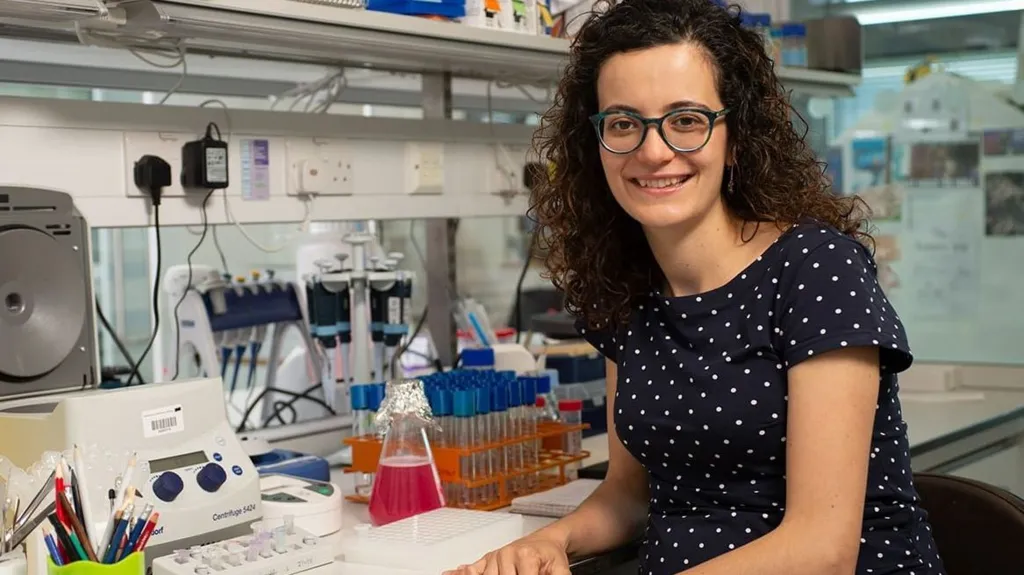
An award-winning University of Cambridge researcher, Dr Marta Shahbazi, has died in a deadly train collision in Spain while travelling to receive an award for her contributions to scientific research.
The mother-of-two was among the victims of Wednesday's crash near Urda, south of Madrid, which claimed 69 lives. She was travelling to a ceremony in Andalusia to collect an award recognising her work in developmental biology.
Tributes Pour In for Accomplished Scientist
Dr Shahbazi was an affiliate associate professor at the University of Cambridge and led a research group at the Medical Research Council's Laboratory of Molecular Biology (LMB).
She headed the Shahbazi Laboratory on the Cambridge Biomedical Campus, where her research focused on the earliest stages of human embryo development, cell biology and the processes that can lead to failed pregnancies.
The LMB described her as an “inspiring, talented and passionate scientist”, saying her death was a profound shock and a huge loss to the institution.
The laboratory also praised her ability to balance family life with her scientific career, noting that she was a much-admired role model for working mothers in science.
Research Career and Recognition
Dr Shahbazi was announced as the recipient of an award from the Spanish Society for Developmental Biology in recognition of her contributions to understanding early human development.
She had previously completed her PhD at the Spanish National Cancer Research Centre before joining the University of Cambridge as a postdoctoral researcher. She became part of the LMB in 2020.
Her work earned her several awards and prizes, establishing her as a respected researcher in cell and developmental biology.
Deadly Train Collision in Spain
The crash occurred when a state-operated Renfe high-speed train collided with the rear of a stationary train operated by private company Iryo. More than 540 people were travelling aboard the two trains.
The disaster is among the deadliest rail accidents in modern European history and Spain's worst train crash since 2013.
Following the tragedy, Spain declared three days of national mourning as tributes continued for the victims, including the Cambridge scientist whose research had contributed to the understanding of early human life.
BBC News