 Canada
 United States
 United Kingdom
 Nigeria
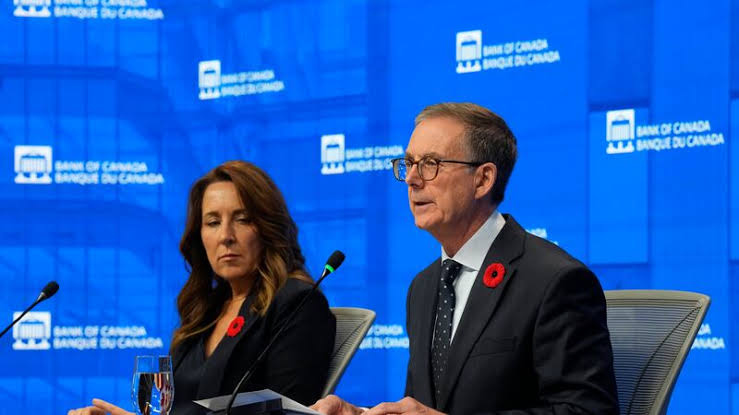
The Bank of Canada has raised its policy interest rate by 25 basis points to 2.5 per cent, marking its first rate hike since July 2023, as it seeks to contain inflation driven by rising energy costs and economic uncertainty.
In its October Monetary Policy Report, the central bank identified higher energy prices and uncertainty surrounding Canada’s trade relationship with the United States as major risks to the cost of living. Inflation currently stands at 3.1 per cent.
Rising Energy Costs Fuel Inflation Concerns
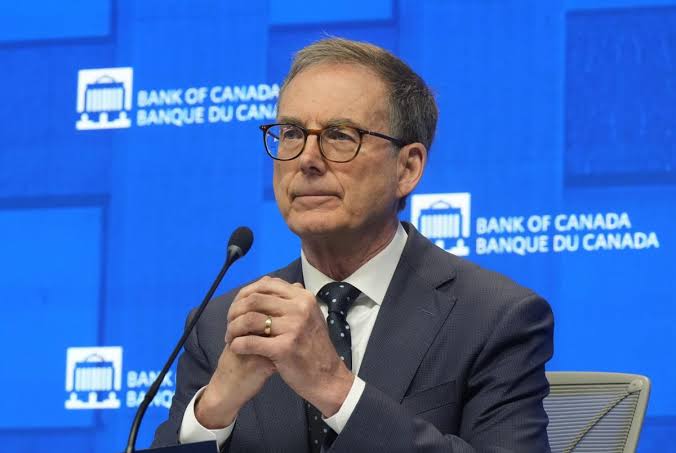
Bank of Canada Governor Tiff Macklem said the inflation outlook had deteriorated since the bank’s July report, making an interest rate increase necessary to prevent higher fuel prices from spreading across the economy.
Although energy costs have not yet affected prices across all sectors, the bank warned that businesses are facing mounting expenses and increasingly expect to pass those costs on to consumers.
The prolonged war in the Middle East has also pushed global oil prices higher. Brent crude averaged $124.96 per barrel in October, about $35 above its July average, increasing fuel expenses for households and businesses.
The central bank’s survey found that 60 per cent of consumer-facing businesses expect to transfer higher costs to customers within the next 12 months.
Economic Growth Faces Fresh Pressure
Canada’s economy grew by 3.3 per cent in the second quarter of the year, supported by consumer spending and stronger business investment, particularly in the oil and gas sector.
However, the Bank of Canada expects growth to slow to 2 per cent in the third quarter, with additional pressure from new US tariffs likely to weigh on economic activity in the fourth quarter.
Exports have strengthened despite continued weakness in sectors affected by US tariffs, supported by strong American demand, increased energy production and businesses adapting to changing trade conditions.
Meanwhile, unemployment has remained around 6.5 per cent in recent months, indicating that job seekers are finding it more difficult than usual to secure employment.
Further Rate Increases Remain Possible
The central bank expects the Canadian economy to recover in 2027 after a period of slower growth. However, Macklem warned that persistent inflation risks could require further interest rate increases.
He said the bank would proceed cautiously because of economic uncertainty, while remaining prepared to adjust monetary policy if inflationary pressures continue to build.
CTV News