 Canada
 United States
 United Kingdom
 Nigeria
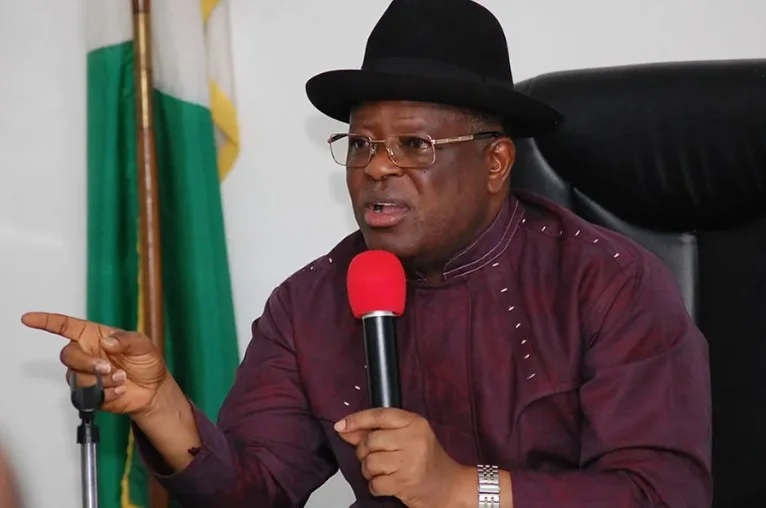
Minister of Works David Umahi has disclosed that the 750-kilometre Lagos-Calabar Coastal Highway has no single engineering design covering the entire route, more than two years after construction began in March 2024.
Umahi made the disclosure during an interview on Arise Television on Friday, explaining that the project is being designed and costed section by section based on terrain, soil investigations, environmental assessments and engineering requirements.
Minister Defends Project Cost
The minister rejected the use of an estimated average cost per kilometre to calculate the overall cost of the highway, arguing that different sections have varying technical requirements, including bridges and road configurations.
He estimated that a standard two-lane carriageway would cost about $5.5m per kilometre, or approximately N7.3bn, based on a comparison with a coastal road project in neighbouring Benin Republic.
Umahi also questioned the widely circulated estimate of N15tn for the entire highway, saying the project's financial requirements should not be determined by multiplying an average figure by the full 750 kilometres.
Questions Over Engineering and Environmental Approvals
According to Umahi, although the highway had been conceived decades ago and its concept gazetted in 2006, he had not found a complete engineering design or comprehensive technical investigations covering the entire route in the ministry's archives.
He said detailed designs were being prepared for individual sections after the necessary assessments. The minister also confirmed that construction initially proceeded with a provisional Environmental and Social Impact Assessment certificate, adding that final environmental approval had been obtained for the first 47-kilometre section.
The project has faced scrutiny over its cost, environmental implications, route and construction process. The latest disclosure raises further questions about how the government will establish and communicate the highway's total cost.
Umahi Clarifies Additional 400km Connection
The minister also clarified remarks concerning an additional 400-kilometre stretch linked to the project, saying it was intended to connect the coastal highway to the existing East-West Road through Edo State, rather than change the original route.
Umahi maintained that the original alignment remained intact across Lagos, Ogun, Ondo, Edo, Delta, Bayelsa, Rivers, Akwa Ibom and Cross River states. He described the additional connection as a spur that would provide another route and support the reconstruction of sections of the East-West Road.
He said design work on the connection was ongoing and stressed that it should not be confused with the original 750-kilometre coastal highway.
Punch Newspapers