 Canada
 United States
 United Kingdom
 Nigeria
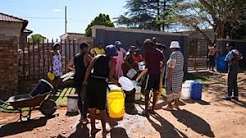
South African Cities Tighten Water Restrictions as El Niño Raises Drought Fears
Authorities urge conservation as hotter and drier conditions threaten water supplies
Several major cities in South Africa are introducing tighter water restrictions as the strengthening El Niño phenomenon raises concerns about prolonged dry conditions, possible drought and pressure on already strained water supplies.
Level 2 restrictions have been implemented across Gauteng Province, covering major urban centres including Johannesburg and the Tshwane Metropolitan Municipality, where Pretoria is located.
Johannesburg's municipal authorities estimate that daily water consumption must fall by approximately 200 million litres to help stabilise supplies and reduce pressure on reservoirs.
Cape Town Introduces New Water Measures
Cape Town is also preparing to introduce Level 1 water restrictions from December 1, with residents expected to reduce their water consumption by 10 per cent.
South Africa's restriction system sets different limits depending on the severity of water shortages. Level 1 measures focus mainly on limiting non-essential outdoor water use, while Level 2 rules prohibit the use of municipal tap water for watering gardens and public green spaces.
Households that exceed their allocated water-use limits may also face higher charges, making conservation an important consideration for residents.
El Niño Raises Concerns Over Summer Weather
The restrictions come as South Africa's weather service warns that the developing El Niño event could become one of the strongest on record. Below-average rainfall and above-average temperatures are expected across the country during the coming summer months.
Ferrial Adam, executive director of WaterCAN, a Johannesburg-based community network focused on water quality and related issues, said the combination of changing climate conditions and ageing infrastructure was worsening the country's water challenges.
"What we see is that you would get drier, hotter conditions," Adam said, describing the weather patterns associated with El Niño and the additional pressure they place on water systems.
El Niño is a naturally occurring climate pattern linked to the periodic warming of sea-surface temperatures in the central and eastern equatorial Pacific Ocean. It can influence weather conditions in different parts of the world, increasing the likelihood of drought in some regions while contributing to heavier rainfall elsewhere.
Agriculture and Food Prices Also at Risk
Beyond the pressure on urban water supplies, concerns are growing about the possible consequences for agriculture across southern Africa.
Extended dry spells and extreme temperatures could disrupt crop production, potentially affecting food availability and pushing prices higher from March next year.
The situation has raised wider food security concerns, as communities and agricultural producers prepare for the possibility of a difficult summer season.
With restrictions being introduced in several major cities, authorities face the challenge of managing limited supplies while encouraging households and businesses to reduce unnecessary water consumption.
Source: Africanews (AP)