 Canada
 United States
 United Kingdom
 Nigeria
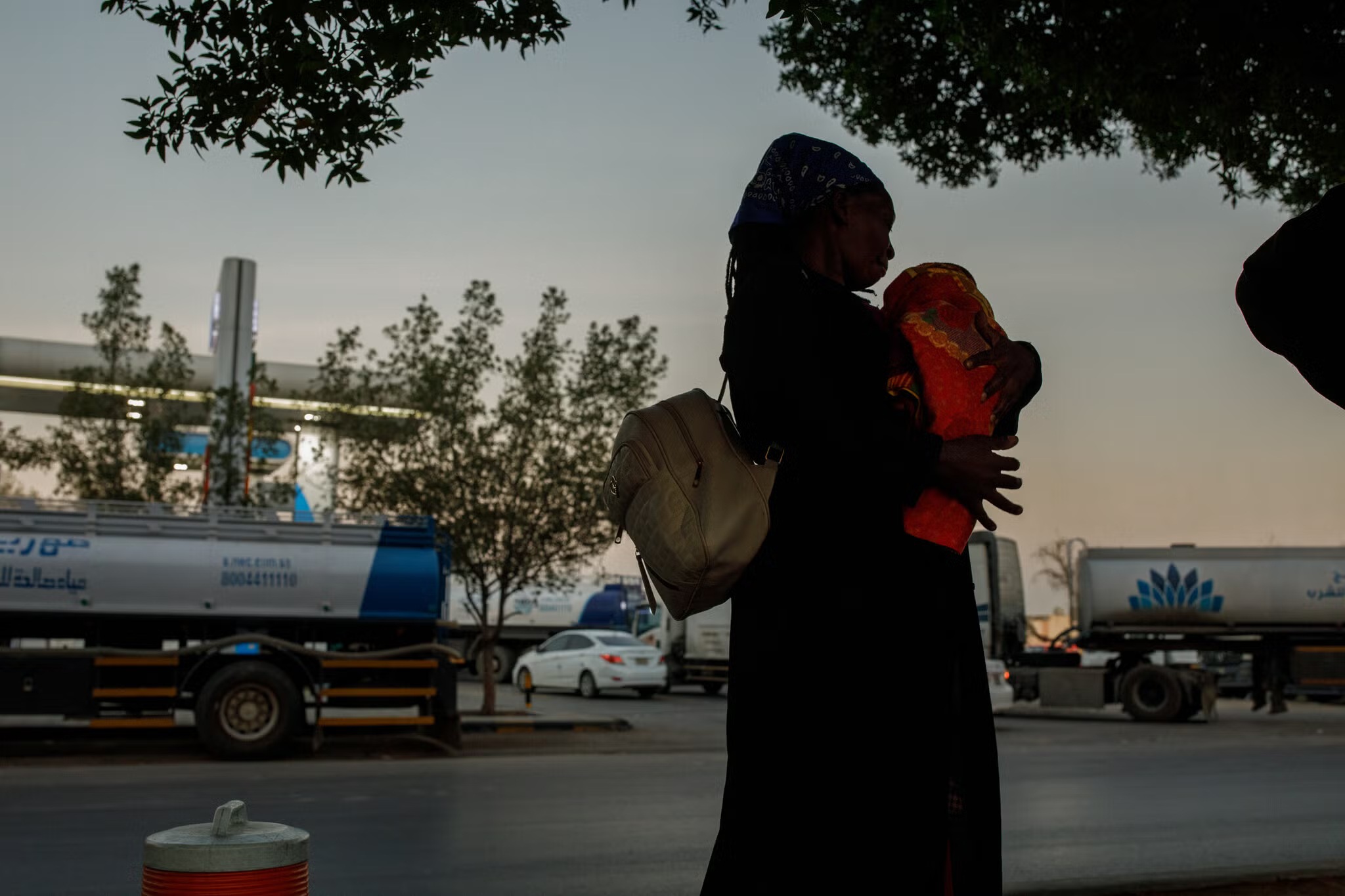
A Saudi Arabian court has sentenced a 40-year-old Kenyan domestic worker, Esther Wanja Muthoni, to 100 lashes for having sex outside marriage after she gave birth to a child in the kingdom.
The judgment, delivered in October, followed several court hearings and has left Muthoni worried about her safety as she struggles to return to Kenya with her one-year-old son, Abudy.
According to a report by The New York Times, Muthoni had spent more than a year trying to leave Saudi Arabia with her child but was unable to do so because of the criminal proceedings against her.
How the Case Began
Muthoni, a mother of five, was legally employed as a domestic worker through Saudi recruitment company Maharah Human Resources when she became pregnant following a brief relationship with an Egyptian resident identified only as Mohamud.
She gave birth in August 2025 at staff accommodation. Court documents reviewed by The New York Times reportedly showed that a supervisor discovered her and took her and the baby to a hospital, after which police detained her for questioning over the pregnancy.
Muthoni told police that the child's father had left Saudi Arabia. His surname was not included in the court documents.
Although she was released from custody, she was reportedly denied access to her staff accommodation and a shelter. She subsequently lived at a petrol station in Riyadh that had become a gathering place for migrant mothers seeking to leave the country with their children.
Legal Proceedings and Sentence
Following an earlier report by The New York Times on her situation, Maharah reportedly provided Muthoni with accommodation, while the Kenyan Embassy issued documents intended to facilitate her return home.
However, she remained unable to travel while her criminal case was pending.
The newspaper reported that Muthoni had a court interpreter but no lawyer during the proceedings. The court documents it reviewed also contained no indication that she had legal representation.
In October, a three-judge panel found her guilty of having sex outside marriage and sentenced her to 100 lashes under its interpretation of Islamic law. She was also sentenced to one year of banishment.
The judgment did not indicate that authorities had pursued the child's father.
Rights Concerns and Questions Over Reforms
The sentence has attracted criticism from labour migration and human rights advocates. Ekaterina Porras Sivolobova, a labour migration analyst and founder of the non-profit organisation Do Bold, told The New York Times that flogging violated international human rights standards and undermined the dignity of a vulnerable woman.
The case has also raised questions about Saudi Arabia's legal reforms, particularly its 2020 announcement of restrictions on flogging.
However, judgments involving morality offences are not routinely published, making it difficult to establish how frequently Saudi courts continue to impose the punishment.
Saudi Arabia's judicial system is based on Islamic law, or sharia, but the country does not have a written penal code. Judges interpret Islamic law when deciding criminal cases, leaving some offences and punishments open to differing interpretations.
Mother Still Struggles to Return to Kenya
Muthoni did not appeal the judgment, saying her priority was to return home to her other children.
She told the newspaper that leaving Saudi Arabia was the only way she could reunite with them. However, it remains unclear whether the banishment order means she will be deported to Kenya, as Saudi rules generally allow people sentenced to banishment to be sent to another city within the kingdom when no destination is specified.
Her exit documents have also expired, creating further uncertainty over how she and her son will return home.
The Saudi and Kenyan governments, as well as representatives of Maharah, reportedly did not respond to requests for comment from The New York Times.
The newspaper's earlier investigation documented difficulties faced by East African domestic workers who become pregnant in Saudi Arabia, including reported cases of physical abuse, sexual violence, withheld wages and abandonment.
It also found that some Kenyan women struggled to obtain birth certificates for their children and secure permission to return home. Some diplomats who could assist them were accused of neglecting their cases or demanding bribes and sexual favours.
Punch Newspapers