 Canada
 United States
 United Kingdom
 Nigeria
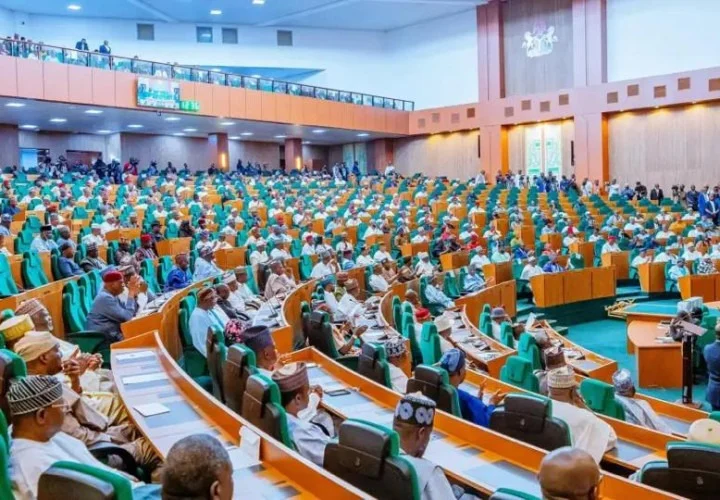
The House of Representatives has begun moves to strengthen patients’ rights to emergency medical care, proposing tougher penalties for hospitals that refuse, delay or obstruct treatment.
The proposal followed the second reading on Wednesday of a bill sponsored by Akin Rotimi, representing Ikole/Oye Federal Constituency of Ekiti State. The bill seeks to amend the National Health Act, 2014, by introducing mandatory emergency response procedures and stricter accountability measures for healthcare facilities and professionals.
Proposed Emergency Response Timelines
Under the proposed amendment, hospitals would be required to commence patient triage within 15 minutes of arrival and begin basic stabilisation within 30 minutes. Life-saving interventions must start immediately once a life-threatening condition is identified, regardless of administrative procedures.
Where a medical practitioner is unavailable, trained and certified nurses would be permitted to conduct triage to prevent delays caused by shortages of medical personnel.
For emergency admissions, healthcare facilities would be required to assign a bed within two hours where one is available. If no bed is available, the hospital must stabilise the patient and initiate a referral within two hours of arrival or immediately after clinical stabilisation.
The bill also proposes that transportation be arranged within 30 minutes of a referral decision, with the transfer completed within three hours, except where circumstances beyond the facility’s control prevent compliance.
Hospitals Face Possible Licence Suspension
The proposed legislation introduces stricter sanctions for healthcare facilities and professionals that fail to meet their emergency care responsibilities.
Hospitals that refuse, delay or obstruct emergency treatment could face financial penalties, suspension of their operating licences and, in cases of subsequent offences, possible closure or withdrawal of their licences.
Healthcare professionals who wilfully refuse or abandon emergency patients could also face criminal sanctions and disciplinary proceedings by their professional regulatory bodies.
However, the bill recognises that some facilities operate under genuine resource constraints. It seeks to protect healthcare workers who act in good faith, properly document resource limitations and follow established referral procedures.
It also proposes that patients or their representatives may seek compensation through civil action where injury, disability or death results from a violation of the emergency treatment provisions.
Mandatory Training for Healthcare Workers
Beyond enforcement, the bill seeks to improve emergency care standards through mandatory training and professional certification.
It mandates the Medical and Dental Council of Nigeria and the Nursing and Midwifery Council of Nigeria to jointly develop and maintain a standardised national emergency care curriculum.
Healthcare workers involved in emergency care would be required to undergo training and certification at intervals not exceeding 18 months.
Rotimi: Bill Seeks to Prevent Avoidable Deaths
Leading the debate, Rotimi said the proposed amendment was intended to address preventable deaths and complications caused by delays in accessing emergency medical services.
He noted that although Section 20 of the National Health Act, 2014, prohibits the refusal of emergency medical treatment, patients continued to face administrative bottlenecks, demands for payment before treatment, unavailable beds and poorly coordinated referrals.
“In a medical emergency, time is the difference between life and death,” the lawmaker said, stressing the need for clearer operational standards and enforceable accountability.
Rotimi added that the objective was to ensure that the right to emergency treatment, already recognised by law, translates into timely assessment, immediate intervention, stabilisation and effective referral.
He urged lawmakers to support the bill, arguing that no Nigerian should have to negotiate for medical attention when their survival depends on immediate treatment.
The proposed amendment comes amid longstanding concerns about access to emergency medical services in Nigeria, where financial barriers, inadequate facilities, shortages of medical personnel and poor referral arrangements have continued to affect timely treatment.
Punch Newspapers