 Canada
 United States
 United Kingdom
 Nigeria
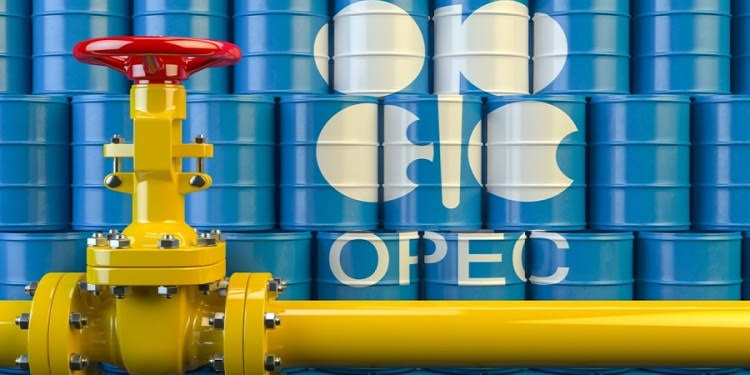
Nigeria Seeks Higher OPEC Oil Production Quota by June 2027
Government hopes a new capacity assessment will strengthen its position in the next quota review
Nigeria could receive a higher crude oil production quota from the Organisation of the Petroleum Exporting Countries (OPEC) by June 2027, following an assessment that placed the country's maximum sustainable production capacity above its current allocation of 1.5 million barrels per day.
The assessment is expected to support Nigeria's case when OPEC considers new production allocations in June 2027. However, the outcome does not automatically increase the country's existing quota or guarantee that it will immediately produce more crude oil.
What the Assessment Means for Nigeria
Minister of State for Petroleum Resources (Oil) and Nigeria's Head of Delegation to OPEC, Senator Heineken Lokpobiri, said the assessment was conducted to establish the country's sustainable production capacity ahead of the 2027 quota decision.
In a statement released on Sunday by his Special Adviser on Media and Communications, Nneamaka Okafor, Lokpobiri explained that the assessment established a production capacity benchmark rather than granting Nigeria a new quota.
According to the minister, OPEC's assessment found that Nigeria's Maximum Sustainable Capacity (MSC) for 2027 was significantly higher than its current allocation of 1.5 million barrels per day.
The MSC measures the volume of crude oil a country can bring into production within 90 days and maintain for a full year, while taking planned maintenance into account.
“The assessment of the Maximum Sustainable Capacity does not constitute a new production quota but establishes the capacity upon which Nigeria's 2027 crude oil production quota allocation will be considered.”
Government Targets Three Million Barrels Per Day
Lokpobiri attributed the assessment outcome to government efforts to strengthen the petroleum industry through policy and fiscal reforms, increased investment and improved operational efficiency.
He said the Federal Government remained committed to improving the investment climate and encouraging both local and international oil companies to expand their activities in the country.
The minister added that Nigeria intended to push production capacity beyond the level established by the assessment, with a target of reaching three million barrels per day by 2030.
He also reaffirmed the country's commitment to OPEC and the Declaration of Cooperation, which provides a framework for collaboration among oil-producing nations on crude oil supply management.
Lokpobiri said Nigeria would continue discussions with OPEC to ensure that progress made towards the 2030 production target was considered during future quota reviews.
Production Challenges Remain
The prospect of a higher quota comes as Nigeria continues efforts to overcome longstanding challenges that have limited its ability to produce at the level permitted by OPEC.
Crude oil theft, pipeline vandalism, inadequate investment, ageing infrastructure and operational disruptions have affected production across the country's oil sector.
However, figures from the Nigerian Upstream Petroleum Regulatory Commission showed that Nigeria recorded average crude oil production of 1.53 million barrels per day in September 2026, excluding condensate. This was above its 1.5 million-barrel daily OPEC allocation and marked the fifth consecutive month the country had exceeded its quota.
Higher Capacity Does Not Guarantee a Higher Quota
The distinction between maximum sustainable capacity and actual daily production remains important. While the assessment indicates how much crude oil Nigeria can produce sustainably under the defined conditions, it does not mean the country is already producing that volume.
Neither does it give Nigeria automatic permission to sell additional barrels. Any increase in its production allocation will depend on OPEC's decision during the next quota review.
With the determination of new production allocations deferred until June 2027, Nigeria will have to wait for the organisation's decision to know whether its improved capacity assessment will translate into a larger share of the OPEC production quota.
Source: PUNCH