 Canada
 United States
 United Kingdom
 Nigeria
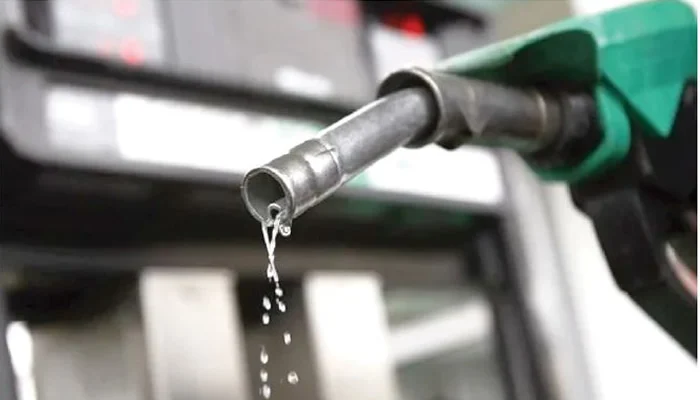
Nigeria’s Petrol Imports Rise 47% Despite Growth in Domestic Refining
October data shows increased dependence on foreign supplies despite stronger local refinery output
Nigeria’s petrol imports increased by 47 per cent in October 2026, reversing the decline recorded in September and highlighting the country's continued reliance on foreign fuel supplies despite improvements in domestic refining.
Figures published by the Nigerian Midstream and Downstream Petroleum Regulatory Authority showed that imported petrol rose from 10.2 million litres per day in September to 15 million litres daily in October. This represents an increase of 4.8 million litres per day.
Local refineries also recorded higher output, with their daily contribution rising by 12 per cent from 28.5 million litres to 31.9 million litres.
However, imports accounted for approximately 32 per cent of the 46.9 million litres of petrol received daily in October, compared with 26.4 per cent in September. Domestic refineries supplied the remaining 68 per cent.
Total Petrol Supply Climbs by 21%
The authority's October 2026 fact sheet showed that total daily petrol receipts increased from 38.7 million litres in September to 46.9 million litres in October, representing a 21 per cent rise.
The additional 8.2 million litres comprised 4.8 million litres from imports and 3.4 million litres from domestic refineries.
The figures suggest that although local refining remains the larger source of petrol, the increase in domestic production has not removed the need for imported supplies.
How Petrol Supply Changed Over 13 Months
A review of the NMDPRA data from October 2025 to October 2026 shows significant changes in the balance between locally refined petrol and imports.
In October 2025, domestic refineries supplied 17.1 million litres daily, while imports contributed 28.9 million litres. Total receipts stood at 46 million litres per day.
The following month, local supply increased to 19.5 million litres, while imports rose to 32 million litres, taking total daily receipts to 51.5 million litres.
December 2025 recorded the highest supply within the 13-month period. Domestic refineries contributed 32 million litres daily, while imported petrol reached 42.2 million litres, bringing total receipts to 74.2 million litres.
The trend shifted in January 2026, when domestic supply climbed to 40.1 million litres per day and overtook imports, which fell to 24.8 million litres. Total receipts reached 64.9 million litres.
Imports dropped sharply in February to three million litres daily, while domestic refineries supplied 29.4 million litres. Total receipts fell to 32.4 million litres per day.
In March, local supply rose to 34.2 million litres, while imports increased slightly to 5.9 million litres, bringing total receipts to 40.1 million litres.
April recorded 40.7 million litres from domestic refineries and 3.7 million litres from imports, with total supply standing at 44.4 million litres daily.
Domestic production increased further in May to 41.5 million litres per day, while imports contributed 5.9 million litres. Total receipts reached 47.4 million litres.
However, imported supplies began rising again in June, reaching 18.1 million litres daily as domestic deliveries declined to 32.5 million litres. Total receipts stood at 50.6 million litres.
In July, domestic supply dropped further to 25.8 million litres, while imports increased to 19.7 million litres, bringing total daily receipts to 45.5 million litres.
August saw a recovery in local supply to 35.9 million litres, while imports declined to 14.6 million litres. Total receipts rose to 50.5 million litres.
In September, domestic deliveries fell to 28.5 million litres and imports dropped to 10.2 million litres, leaving total daily receipts at 38.7 million litres. Both supply channels increased again in October.
Domestic Refineries Still Lead Overall Supply
Across the 13-month period, domestic refineries supplied an average of 31.5 million litres of petrol daily, accounting for 62.6 per cent of total receipts. Imports averaged 18.8 million litres per day, representing 37.4 per cent.
Despite the October increase, imported volumes remained below the period's average, while domestic supply was slightly above its corresponding average.
A year-on-year comparison also showed a substantial improvement in local refining output. Domestic supply rose by 86.5 per cent, from 17.1 million litres daily in October 2025 to 31.9 million litres in October 2026.
Over the same period, petrol imports declined by 48.1 per cent, falling from 28.9 million litres to 15 million litres per day. Total petrol receipts, however, recorded a marginal increase of 1.96 per cent, moving from 46 million litres to 46.9 million litres daily.
Stock Sufficiency Comes Under Pressure
The October increase in imports also coincided with a deterioration in petrol stock sufficiency, a measure of how many days existing inventories can support consumption.
The development adds another concern to the country's fuel supply outlook, as rising domestic refining capacity has yet to prevent fluctuations in import volumes and overall petrol availability.
Source: Saturday PUNCH