 Canada
 United States
 United Kingdom
 Nigeria
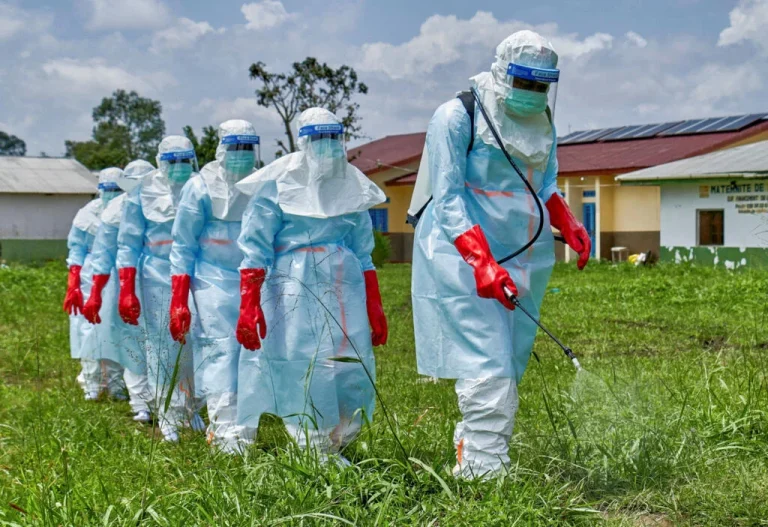
Nigeria has intensified its Ebola preparedness and containment measures following reports that a diplomat diagnosed with the Bundibugyo strain of the virus in Abuja has deteriorated into multi-organ failure.
The patient’s name and nationality have not been disclosed. The Nigeria Centre for Disease Control and Prevention (NCDC) confirmed the strain following molecular testing, according to its Director of Public Health Laboratory Service, Olajumoke Babatunde.
Federal Government Steps Up Containment
Coordinating Minister of Health and Social Welfare, Prof. Muhammad Pate, said the Federal Government was working with Uganda and intensifying contact tracing to prevent further transmission.
Pate urged Nigerians to remain vigilant without panicking, stressing that health authorities had the institutions and experience needed to respond. He said the NCDC’s incident management system was operating continuously, with a Presidential Task Force also involved in the response.
The NCDC said it had convened an incident management meeting and was finalising its incident action plan. Current priorities include case management, enhanced surveillance, contact tracing, infection prevention and control, and public communication.
Contacts Placed Under Monitoring
Health authorities have identified 44 contacts, mainly healthcare workers and hospital support staff, for monitoring following the case. The Aviation Minister, Festus Keyamo, also directed the Nigeria Civil Aviation Authority to place 46 persons linked to the patient on a no-fly list for 21 days while efforts continue to assess their exposure.
The Federal Airports Authority of Nigeria has begun deploying temperature-screening cameras and strengthening health checks, travel-history assessments and infection prevention measures at airports.
Authorities have emphasised that being identified as a contact does not automatically mean a person is infected. Monitoring helps health officials identify potential symptoms and take prompt action if necessary.
Senate and House Demand Urgent Action
The Senate has called for mandatory health screening at international airports, seaports and designated land borders, alongside emergency funding for surveillance, protective equipment and isolation facilities.
The House of Representatives has also urged the immediate release of outstanding appropriated funds to health agencies to strengthen laboratory testing, contact tracing and emergency response capacity.
Both chambers stressed the importance of early detection, coordination among health agencies and public awareness in preventing further transmission.
States Strengthen Preparedness
Several states have activated emergency response arrangements. Anambra reported that 33 of 40 persons of interest had completed monitoring and been cleared by October 20, while seven remained under follow-up. Ogun also reported monitoring 111 persons of interest, with the state government saying no Ebola case had been recorded there as of October 21.
Yobe has established surveillance and contact-tracing teams across its 17 local government areas, while Ekiti has trained laboratory and healthcare personnel, stocked protective equipment and conducted preparedness exercises.
Enugu has strengthened its Public Health Emergency Operations Centre and surveillance around Akanu Ibiam International Airport. Kano has also reactivated its emergency operations centre and placed it on high alert.
Delta State residents are awaiting further details of their state government’s preparedness measures, according to the supplied report.
What Nigerians Should Know
The Bundibugyo virus is a rare member of the Ebola virus group. Ebola can spread through direct contact with the blood or other bodily fluids of an infected person showing symptoms, or through contaminated materials.
Health authorities are urging the public to follow official guidance, practise good hand hygiene, avoid contact with the bodily fluids of suspected cases and promptly report possible exposure or symptoms. Anyone who believes they may have been exposed should contact public health authorities for guidance rather than visiting a healthcare facility without prior notice.
The Federal Government says it will continue providing updates as more information becomes available. The effectiveness of the response will depend on early detection, coordinated action, adequate resources and public cooperation.
Punch Newspapers