 Canada
 United States
 United Kingdom
 Nigeria
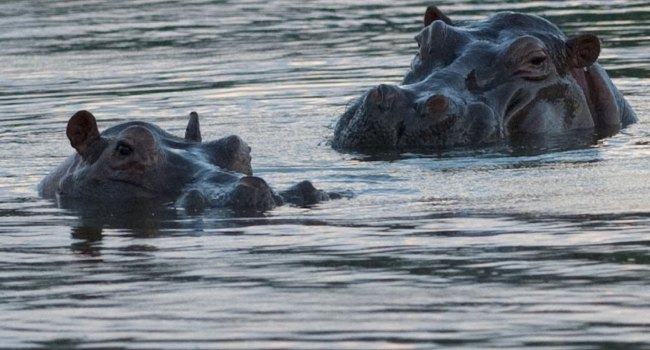
Kenya Probes Deaths of Seven Hippos Linked to Possible Ingestion of Crops and Fishing Net
Wildlife authorities launch investigation into a series of deaths at Lake Naivasha
Wildlife authorities in Kenya have launched an investigation into the deaths of seven hippos at Lake Naivasha, following suspicions that some of the animals consumed maize stalks while another may have swallowed a discarded fishing net.
The deaths occurred between October 28 and November 19, according to Duncan Juma Wanyama, spokesperson for the Kenya Wildlife Service (KWS), who spoke to AFP on Friday.
Wanyama said officials were concerned about the incidents and had deployed a team to investigate their causes and establish what led to the deaths.
Post-Mortem Reveals Fishing Net Ingestion
Findings from the post-mortem examination of a young female hippo indicated that it had swallowed synthetic fishing material, which caused a severe blockage in its digestive system.
According to a statement by KWS, the material obstructed the passage between the animal's stomach and small intestine, resulting in a condition described as a complete physical blockage. The obstruction eventually led to cardiopulmonary failure.
The findings have raised concerns about the dangers discarded fishing equipment and other waste materials may pose to wildlife in and around the lake.
Maize Stalks Suspected in Other Deaths
A separate examination of an adult female hippo revealed a different possible cause of death. KWS reported that the animal's stomach was severely distended by gas, putting pressure on its lungs and disrupting normal breathing.
Investigators also discovered maize stalks in its stomach. The wildlife service said the highly fermentable plant material may have contributed to excessive food intake, gas accumulation and bloating.
Wanyama said the remaining five hippos were also suspected of consuming the crop stalks, although investigations are ongoing to establish the circumstances surrounding their deaths.
Authorities have not confirmed whether deliberate poisoning played any role in the incidents.
Concerns Over Human-Wildlife Interaction
Lake Naivasha, in central Kenya, is home to a significant population of hippos. The animals frequently share the surrounding environment with fishing communities, creating potential risks for people and wildlife.
Hippos are among the most dangerous large mammals in Africa, and encounters with fishermen can be fatal. The latest deaths have also drawn attention to the threats posed by human activities, including improper disposal of fishing equipment and possible access to agricultural waste.
The Kenya Wildlife Service says its investigation is aimed at identifying the causes of the deaths and determining the extent of the problem.
Incident Follows Death of US Zoo Hippo
The deaths in Kenya come shortly after Fiona, a female hippopotamus at the Cincinnati Zoo in the United States, died after accidentally swallowing a beanie hat.
Fiona, who had become widely known on social media, died 10 days after the incident. Her death has further highlighted the potential dangers that swallowed foreign objects can pose to hippos.
In Kenya, wildlife officials are continuing their investigations to determine the precise causes of the seven deaths at Lake Naivasha.
Source: Channels Television