 Canada
 United States
 United Kingdom
 Nigeria
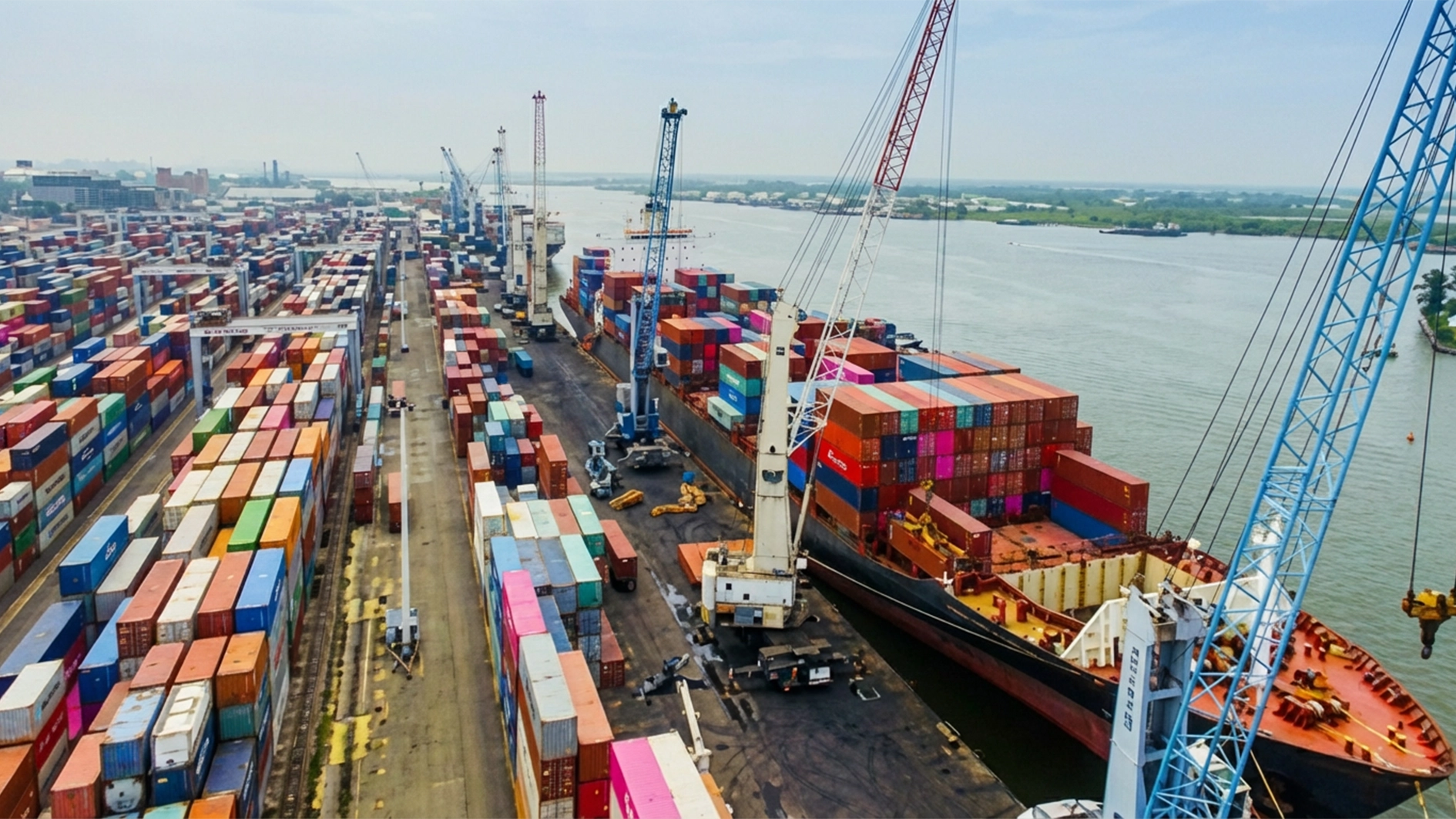
High Energy Costs, Inefficient Ports Undermine Nigerian Export Competitiveness — NEXIM Bank
Bank identifies infrastructure gaps, expensive logistics and limited financing as major barriers to export growth
The Nigerian Export-Import Bank (NEXIM Bank) has warned that high energy costs, poor infrastructure, inefficient ports and limited access to finance are weakening the competitiveness of Nigerian products in international markets.
Managing Director and Chief Executive Officer of the bank, Abubakar Bello, raised the concerns on Thursday in Abuja during a stakeholder forum themed “Leveraging the AfCFTA for Enhanced Nigerian Export Competitiveness and Economic Diversification.”
Bello said Nigeria could fail to maximise the opportunities offered by the African Continental Free Trade Area (AfCFTA) if persistent challenges affecting production and the movement of goods were not addressed.
“High energy costs, inadequate infrastructure, inefficient ports, limited access to finance, and regulatory bottlenecks still hold us back. And we must confront them decisively,” he said.
He explained that although the trade agreement gives Nigerian businesses access to a continental market of approximately 1.4 billion people, it also exposes local producers to competition from businesses across Africa.
According to him, access to markets alone does not guarantee success without the capacity to produce and deliver goods competitively.
Regional trade presents opportunities
Bello noted that disruptions to shipping routes linked to conflicts in the Middle East had pushed up energy and freight costs. He added that changing tariff policies among major economies had made regional trade increasingly important.
Citing figures from the African Export-Import Bank, he said intra-African trade rose by 5.5 per cent to $213.8bn in 2025, while Nigeria’s total trade with other African countries increased by 21 per cent to $9.02bn.
However, he observed that a significant share of trade within the continent remained informal, meaning actual volumes could be several times higher than official records indicate. He also expressed concern that crude oil continued to account for a large proportion of Nigeria’s exports to Africa.
Bello said the country was yet to fully harness opportunities in agriculture, manufacturing, minerals and services, despite its resource base and production potential.
He identified cocoa, sesame, cashew, cotton, ginger, shea and cassava as agricultural products with opportunities for value addition. Other areas include pharmaceuticals, building materials, financial technology and entertainment.
NEXIM outlines support for exporters
The NEXIM chief executive said the bank had financed more than 1,300 exporters since it was established in 1991, contributing to the creation and sustenance of approximately 110,000 industrial jobs.
He also disclosed that the bank partnered with the Small and Medium Enterprises Development Agency of Nigeria to mobilise N42bn for small businesses involved in the export value chain.
Among its other initiatives is the Sealink project, which is designed to strengthen inland waterways and coastal shipping networks to support bulk cargo transportation across West and Central Africa.
Bello further highlighted partnerships with Afreximbank and the Islamic Development Bank, financing programmes for women and young entrepreneurs, as well as a proposed non-interest financing facility.
He identified export readiness, value addition, improved logistics, affordable financing and access to market intelligence as five priorities for improving Nigeria’s position in international trade.
Cardoso, Oyedele call for stronger export support
Also speaking at the forum, Central Bank of Nigeria Governor Olayemi Cardoso said the benefits of international market access would remain limited unless improvements were made in production, financing, quality standards and delivery systems.
“Our ambition must extend beyond increasing export volumes. Nigeria must increase the value, sophistication, and competitiveness of what it exports,” Cardoso said.
He urged development finance institutions to use guarantees, insurance and risk-sharing mechanisms to encourage commercial banks to provide more funding for export-related activities.
Cardoso also said the CBN would continue working to improve foreign exchange market efficiency, digitise trade documentation and ease cross-border payments, while maintaining compliance with export proceeds repatriation rules.
In a virtual address, Minister of Finance and Coordinating Minister of the Economy, Taiwo Oyedele, said the Federal Government was working to tackle infrastructure deficiencies, high transaction costs, inadequate trade financing and non-tariff barriers.
Oyedele called for financing structures that take exporters’ business cycles into account, alongside simpler customs procedures and harmonised product standards.
Minister of State for Industry, John Enoh, also urged financial institutions to give greater attention to industrial financing to help address the problem of underutilised manufacturing capacity.
AfCFTA office reports lower freight costs
The National Coordinator of the Nigeria AfCFTA Coordination Office, Patience Okala, said air cargo corridors established with Uganda and Rwanda had helped reduce freight expenses for participating businesses.
She explained that the cost of transporting one kilogramme of goods had dropped from $4 to $1.20 for businesses using the corridors.
Okala also disclosed that 85 per cent of reported non-tariff barrier complaints received over a four-month period had been resolved. She added that the processing time for certificates of origin had been reduced from five days to 24 hours.
Meanwhile, the Special Adviser to the President on Economic Affairs, Tope Fasua, stressed the need for investment in electricity, ports, roads, railways, technology and skills to strengthen the country's industrial capacity.
“Market access without productive capacity is an invitation to import, not an assurance of export success,” Fasua warned.
Manufacturers face rising operating costs
The concerns raised at the forum come amid growing pressure on Nigerian manufacturers from the cost of generating electricity and transporting goods.
A report published by The PUNCH in September indicated that manufacturers' spending on alternative power increased by approximately 21 per cent, rising from N1.11tn in 2024 to N1.34tn in 2025.
The Manufacturers Association of Nigeria has also identified port congestion, inadequate road infrastructure and high transportation costs as factors reducing the ability of locally made products to compete in international markets.
Source: The Punch