 Canada
 United States
 United Kingdom
 Nigeria
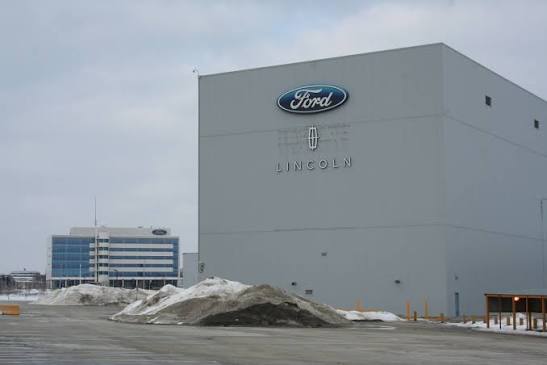
Ford Begins Super Duty Truck Production at Revamped Oakville Plant in $5B Canadian Investment
Two-year transformation prepares Ontario facility for increased production capacity and nearly 2,000 jobs
Ford Motor Co. has officially reopened its transformed assembly plant in Oakville, Ontario, marking the start of a new phase of production focused on its F-Series Super Duty pickup trucks.
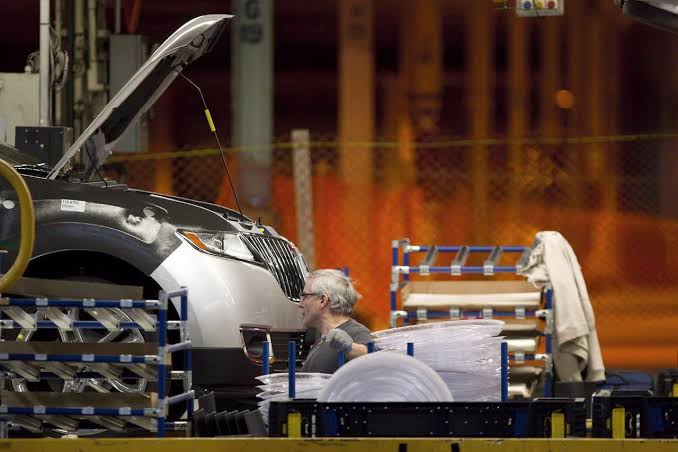
The relaunch follows two years of extensive construction and retooling aimed at preparing the facility for the production of the heavy-duty trucks. The project forms part of Ford's wider $5-billion investment in Canadian manufacturing.
Bev Goodman, president and chief executive officer of Ford of Canada, described the transformation as a major undertaking, explaining that almost everything inside the original facility had to be removed before the new production operations could be established.
The investment also includes funding for Ford's first stamping plant in Canada, a new facility built on previously unused land where metal sheets are shaped into vehicle panels and body components.
Additional funding is supporting operations at Ford's Windsor facilities, including an expansion of the Essex engine plant to accommodate production of its 7.3-litre engine line.
Oakville Plant to Expand Super Duty Production
Ford first announced plans to move Super Duty production to Oakville in July 2024. The company said the additional facility would provide capacity for up to 100,000 more vehicles and create nearly 2,000 jobs at the site.
The automaker already produces Super Duty trucks at facilities in Kentucky and Ohio, but said an additional production location was needed to meet customer demand.
Goodman said Oakville was a suitable choice after production of the Lincoln Nautilus and Ford Edge ended at the plant. She also stressed that the company's investment reflects its long-term commitment to Canada, despite uncertainty surrounding the international trade environment.
According to Goodman, vehicles began leaving the facility about two weeks ahead of the scheduled timeline.
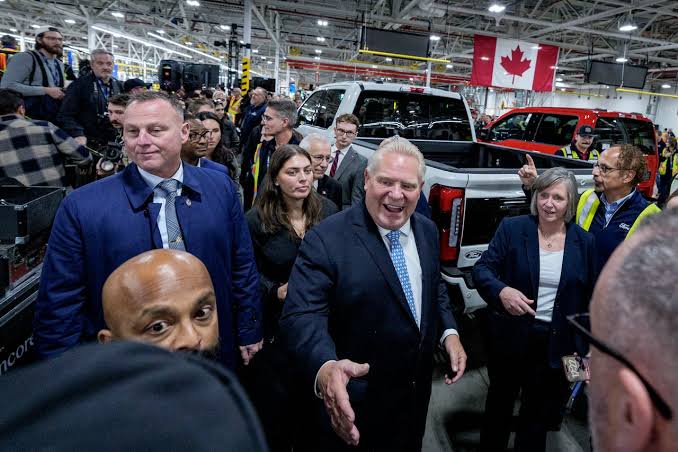
The reopening ceremony was attended by Ontario Premier Doug Ford, federal Industry Minister Mélanie Joly and Unifor national president Lana Payne.
Federal and Provincial Governments Provide Support
Ottawa is contributing $464.5 million towards the plant's transformation and efforts to maintain its workforce. The Ontario government is providing approximately the same amount in support.
The reopening comes several months after Ford employees approved a new three-year collective agreement covering wages, job security and commitments across the company's Canadian facilities.
The agreement also renewed a no-closure commitment, providing workers with additional assurances about the future of Ford's operations in the country.
Payne praised the company's commitment to its workforce, saying the relationship between Ford and the union was built on mutual respect and keeping promises made during negotiations.
Unifor represents approximately 5,000 Ford employees in Canada. The union had selected Ford as its target company for the latest round of pattern bargaining in the automotive sector. Agreements have since been reached with Ford and General Motors, while negotiations with Stellantis remain stalled following the sale of its Brampton manufacturing plant to defence contractor Roshel.
Shift From Earlier Electric Vehicle Plans
The decision to manufacture Super Duty trucks at Oakville represents a major change from Ford's original plans for the facility, which was previously expected to become a centre for electric vehicle production.
Ford had announced a $1.8-billion transformation of the site to support electric vehicle manufacturing, including vehicle assembly and battery-pack production. The company initially planned to begin EV production in 2025 but later delayed the timeline to allow more time for consumer demand to develop and battery technology to advance.
Switching to Super Duty production also meant some employees could return to work about a year earlier than originally expected.
Ford's decision comes amid wider adjustments in Canada's electric vehicle sector. Honda has frozen development of its proposed $15-billion electric vehicle complex in Alliston, Ontario, while General Motors ended production of its BrightDrop electric delivery van last year.
Goodman said demand for Super Duty trucks has remained strong because they serve specialised commercial needs. Customers use the vehicles for farming, construction and other demanding operations, including conversions into ambulances.
She explained that the company's marketing strategy for these trucks focuses heavily on their capabilities and practical value to the people and businesses that depend on them.
Trade Tensions Continue to Challenge Automakers
The Oakville reopening comes as North America's automotive industry continues to navigate uncertainty caused by trade disputes between Canada and the United States.
Vehicles manufactured in Canada currently face a 25 per cent U.S. tariff, with the value of U.S.-made content excluded from the calculation. In August, U.S. President Donald Trump threatened to increase tariffs on Canadian vehicles, auto parts and steel to 50 per cent from January 1.
Canadian Prime Minister Mark Carney has said trade discussions with Washington are progressing, but Ottawa will not accept an agreement that undermines the viability of Canada's automotive industry.
Goodman described the North American automotive sector as an interconnected industry that has operated across the border for decades. She argued that maintaining this integration is important for manufacturers seeking to compete with international rivals.
Ford is also monitoring the arrival of Chinese electric vehicles in Canada following an agreement that allows up to 49,000 vehicles annually to enter at a 6.1 per cent tariff, replacing the previous 100 per cent duty.
By 2030, half of the permitted imports are expected to be priced below $35,000, with the vehicles accounting for less than three per cent of Canada's domestic auto market.
Goodman said the development is a concern for the company, adding that Ford wants governments to establish trade safeguards against unfair competition. She also highlighted the importance of clear regulations for connected vehicles to protect customer data, privacy and national security.
With production now underway in Oakville, Ford is positioning the facility as an important part of its Canadian manufacturing operations. The investment is expected to strengthen the company's production capacity while supporting employment and the wider automotive supply chain.
Source: The Canadian Press