 Canada
 United States
 United Kingdom
 Nigeria
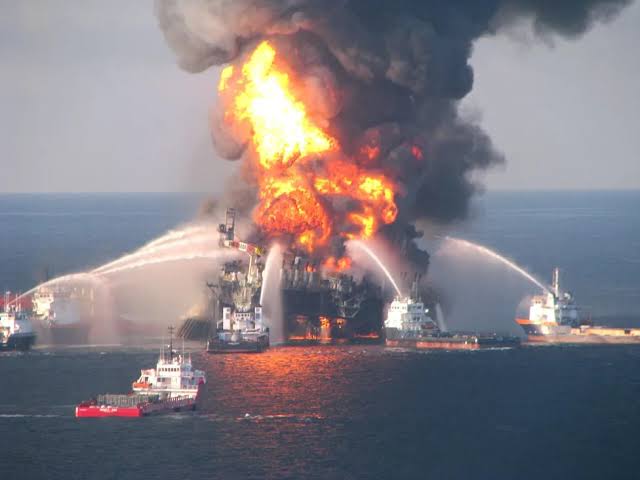
Marine life in the Gulf of Mexico remains severely affected more than 16 years after the Deepwater Horizon oil spill, according to a comprehensive study examining the disaster's long-term environmental impact.
The offshore oil rig, operated by BP, exploded off Louisiana on April 20, 2010, killing 11 people and injuring 17 others. Over the following three months, an estimated 4.9 million barrels of oil entered the Gulf, causing widespread damage to marine ecosystems.
Marine Species Remain in Decline
Researchers led by biological oceanographer Tracey Sutton found that some marine species declined by between 60 and 85 per cent during the first three and a half years after the disaster. Further research covering another eight years suggests those populations have remained depressed.
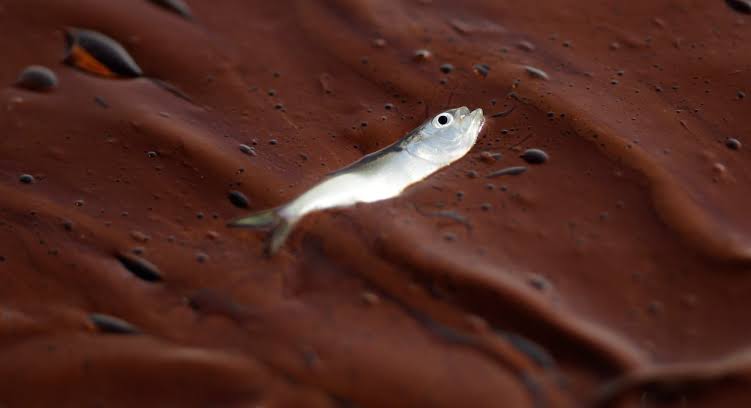
The study, published in the Proceedings of the National Academy of Sciences, links the persistent decline to damage to the food web, affecting deep-diving whales, dolphins, fish, shrimp and squid.
Toxic Compounds Persist in Marine Life
Researchers found traces of polycyclic aromatic hydrocarbons (PAHs), harmful compounds derived from oil, in the muscle tissue and eggs of deep-sea fish and squid.
These substances may affect the health and reproduction of marine species. The study also suggests that exposure could interfere with some male fish's ability to detect mates through their sense of smell.
Independent experts who reviewed the findings said the research accounted for other factors that can influence marine populations, including temperature, food availability and oxygen levels. They identified the prolonged oil release as the likely cause of the continuing decline.
Threat to the Ocean's Carbon Storage Role
The decline in deep-sea species could also affect the Gulf's ability to transport carbon from surface waters into the ocean depths.
Many marine animals move between surface and deep waters, helping transfer carbon and nutrients through the ecosystem. Researchers warn that fewer of these organisms could weaken this natural process, through which oceans help absorb carbon dioxide.
Renewed Concerns Over Offshore Oil Drilling
The findings have renewed concerns about expanding offshore oil exploration and increasing oil transportation. Environmental experts warn that greater tanker traffic could increase the risk of future spills, even if another disaster on the same scale is unlikely.
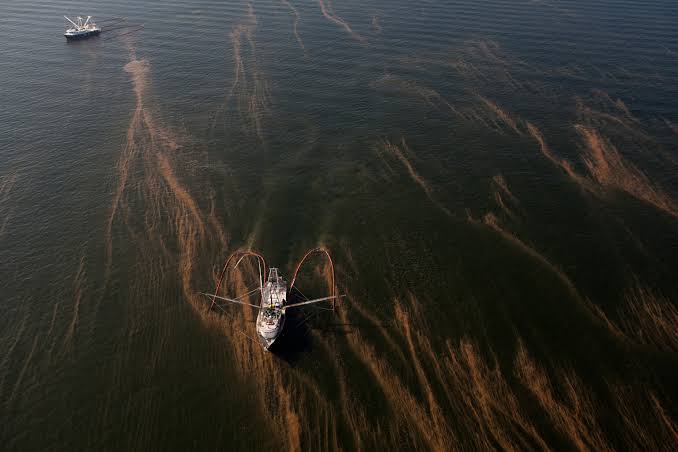
The study highlights how the effects of major oil spills can persist for decades, reinforcing concerns about marine biodiversity, ocean health and the long-term environmental costs of offshore oil production.
CBC News