 Canada
 United States
 United Kingdom
 Nigeria
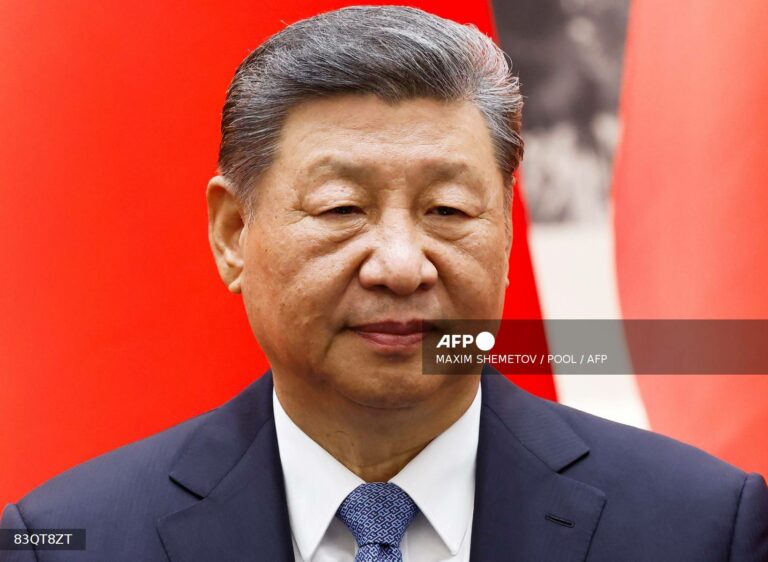
China has accused the United States of using what it described as unfounded espionage allegations as a pretext to impose a technological blockade on the country.
The accusation followed claims that Nvidia Chief Executive Officer, Jensen Huang, was the target of a Chinese espionage plot involving a woman reportedly linked to Chinese intelligence.
Speaking at a regular briefing on Thursday, Chinese Foreign Ministry spokeswoman Mao Ning said the allegations were an attempt to undermine China's technological development.
“China’s technological progress is driven by independent innovation and open cooperation. The US side should stop fabricating such ‘spy’ narratives as a pretext for imposing a technological blockade,” she said.
Espionage Claims Involve Nvidia CEO
Huang, who co-founded Nvidia and transformed it into a leading global supplier of chips used in artificial intelligence, has reportedly been linked to an alleged espionage controversy involving Alice Huang.
She is reported to be a former executive at Singapore-based Megaspeed and is believed by US officials to have worked for Chinese intelligence.
The Nvidia boss has spent years lobbying against restrictions on the sale of advanced semiconductor chips to China, arguing against measures that could limit the company's access to the market.
China has rejected the allegations involving Huang, describing them as “groundless speculation” and an attempt to smear the country.
US-China Tensions Over AI Technology
The controversy comes amid growing tensions between Washington and Beijing over access to advanced semiconductor technology and competition in artificial intelligence.
US President Donald Trump last year approved the export of Nvidia's H200 chips to China, despite objections from critics in both major political parties who fear that Beijing could gain an advantage in the global AI race.
The dispute also comes ahead of a scheduled meeting next week between Trump and Chinese President Xi Jinping at the Asia-Pacific Economic Cooperation (APEC) gathering in Shenzhen, southern China.
AFP