 Canada
 United States
 United Kingdom
 Nigeria
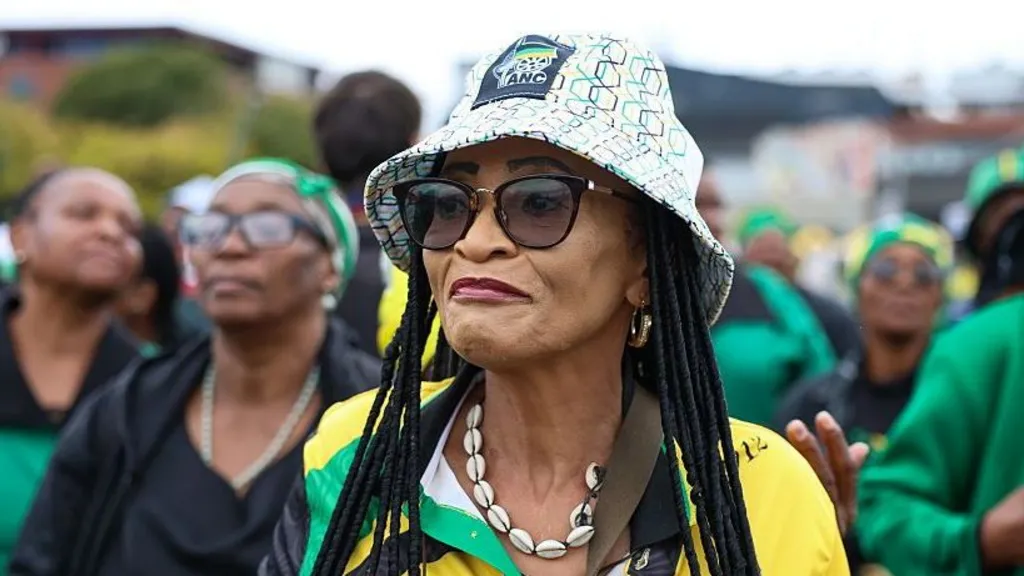
ANC Scrambles to Retain Control of South Africa’s Major Cities After Election Losses
Coalition negotiations intensify as the governing party suffers its weakest electoral performance since the end of apartheid
South Africa’s African National Congress (ANC) is racing to secure coalition agreements with smaller political parties after suffering a major setback in the country’s latest local elections, putting its influence over several key cities at risk.
The party, which has governed South Africa since the end of apartheid in 1994, recorded its poorest electoral performance since coming to power. Although it emerged with the largest share of votes nationally, its support fell sharply, leaving it without outright control in many municipalities it previously governed.
The ANC secured 31 per cent of the national vote, compared with 46 per cent in the previous local elections. It also won a majority in only one of the country's nine provinces, Limpopo, down from six provinces in 2021. In the country's eight major cities, it emerged as the leading party in just two, compared with six in the previous election.
Political parties have until November 27 to negotiate and establish local governments, making the coming days critical to determining who will control several of South Africa's major urban centres.
Opposition Parties Make Significant Gains
The Democratic Alliance (DA), a pro-business opposition party, made notable gains, particularly in Gauteng province, South Africa's economic hub, which includes Johannesburg and Pretoria.
The DA secured the highest number of votes in both cities and in Ekurhuleni, another major urban centre in the province. Nationally, its share of the vote increased to 25 per cent from 22 per cent in the previous local elections.
The party also retained its majority in Cape Town, its traditional stronghold, and emerged as the leading party in Nelson Mandela Bay, which includes the city of Gqeberha, formerly known as Port Elizabeth.
Meanwhile, the uMkhonto weSizwe (MK) Party, led by former President Jacob Zuma, finished third nationally with 10 per cent of the vote. The party also recorded a strong performance in KwaZulu-Natal, where it emerged as the largest political party with 34 per cent.
However, its performance was not enough to secure an outright majority in the province, meaning it will also need the support of other parties to form a government.
The DA was the only party to win an outright majority in any of the country's major cities, retaining its control of Cape Town.
ANC Turns to Smaller Parties Instead of the DA
Despite their long-standing political differences, the ANC and DA entered a national coalition arrangement in 2024 after the ANC lost its parliamentary majority for the first time since the end of apartheid. The agreement, known as the Government of National Unity (GNU), brought the two rivals together alongside eight other political parties.
However, disagreements over major policy issues have continued, with both parties at different times threatening to withdraw from the arrangement.
Before the local elections, political observers had considered the possibility of the ANC and DA extending their national partnership to municipal governments. That prospect now appears less likely, as reports indicate that senior ANC figures regard an agreement with the DA as a last resort.
Instead, the governing party has been approaching smaller political groups in an effort to secure enough support to establish local administrations.
In Gauteng, reports suggest the ANC is considering an arrangement with ActionSA, which won 17 per cent of the provincial vote and emerged as the third-largest party there. Its position makes it a potential kingmaker in coalition negotiations.
ActionSA is also unlikely to enter an agreement with the DA because of disagreements over mayoral candidates for Johannesburg and Pretoria. The DA, meanwhile, has been exploring possible partnerships with smaller parties and the ANC, although it appears likely to take up opposition positions in at least parts of Gauteng.
Uncertainty Surrounds National Coalition
The ANC's apparent reluctance to work with the DA at municipal level has raised questions about the future of their national partnership. However, neither party has publicly announced a change to the Government of National Unity arrangement as coalition discussions continue.
Some members of the ANC have reportedly become frustrated with what they consider the DA's contradictory position as both a governing partner and an opposition party. The tensions have fuelled calls within sections of the ANC for the national arrangement to be reconsidered.
A report by the Daily Maverick quoted an ANC insider as saying that a proposal for a nationwide municipal partnership with the DA had been overwhelmingly rejected at a party meeting.
Political analyst Andre Duvenhage suggested that the outcome could produce different coalition arrangements across the country, with parties cooperating in some municipalities while opposing one another elsewhere.
"A lot of asymmetrical coalitions" could emerge, Duvenhage said, describing arrangements in which parties work together in certain areas but remain political opponents in others.
Another analyst, Sandile Swana, cautioned that a party withdrawing from the national coalition because of difficulties securing local government agreements could damage its own political interests.
Service Delivery Remains Voters' Main Concern
The ANC's declining support has been linked largely to public frustration over corruption and the party's perceived failure to provide reliable basic services. Persistent problems involving electricity, water supply and waste collection have weakened confidence in its ability to manage local governments effectively.
The DA's improved performance has partly been attributed to its record of administration in municipalities under its control. However, the party has also faced criticism from some quarters over alleged neglect of poorer communities and townships.
Despite voters' expectations that new political arrangements will improve public services, South Africa's experience with coalition governments has been mixed. Since 2016, several major cities have been governed through power-sharing agreements, many of which have been marked by instability and political disagreements.
Repeated coalition breakdowns and changes in political alliances have disrupted municipal administration and affected the delivery of essential services. These challenges have been particularly visible in Gauteng, where the performance of local governments in Johannesburg, Pretoria and Ekurhuleni has faced scrutiny.
Experts Warn Recovery Could Take a Decade
Political analysts have warned that forming new coalition governments will not immediately resolve the structural problems facing South Africa's municipalities, particularly Johannesburg, the country's largest city.
Duvenhage said meaningful improvements would require sustained efforts over several years, estimating that turning around the situation could take about a decade.
Swana expressed a similar view, arguing that local councils would need roughly ten years of reform to address governance weaknesses and restore their effectiveness.
As coalition negotiations approach their November 27 deadline, the outcome will determine not only which parties control South Africa's major cities but also how effectively the new administrations can respond to the service delivery concerns that shaped voters' decisions.
Source: BBC News